At a glance
BOGONG’s published selection approach asks buyers for drawings, material, burr condition and target finish. For mixed-material workshops, those inputs should be organized by part family. Material-specific sample tests help identify workholding needs, protected surfaces and consumable choices before a finishing configuration is agreed.
The workpiece is the starting point
The company’s English website invites buyers to send workpiece drawings and finishing requirements for model selection. This matters because two parts with identical dimensions can demand different processing. A carbon-steel bracket headed for painting may tolerate face sanding; a brushed stainless cover may have a protected cosmetic face. Treating both as the same deburring job can create avoidable surface rework. The inquiry should explain what must be removed and what must be preserved.
Stainless steel and decorative surfaces
For stainless parts, record the grade, incoming finish, protective-film condition and final grain direction. Contamination controls should cover handling surfaces, previously used abrasives and storage as well as the machine itself. Avoid assuming that a bright appearance demonstrates a clean or corrosion-resistant surface. Where hygiene, corrosion performance or a particular finish designation matters, the customer’s specification remains the acceptance reference. A sample should include the visible face and the edges that will remain exposed after assembly.
Aluminum, galvanized sheet and carbon steel
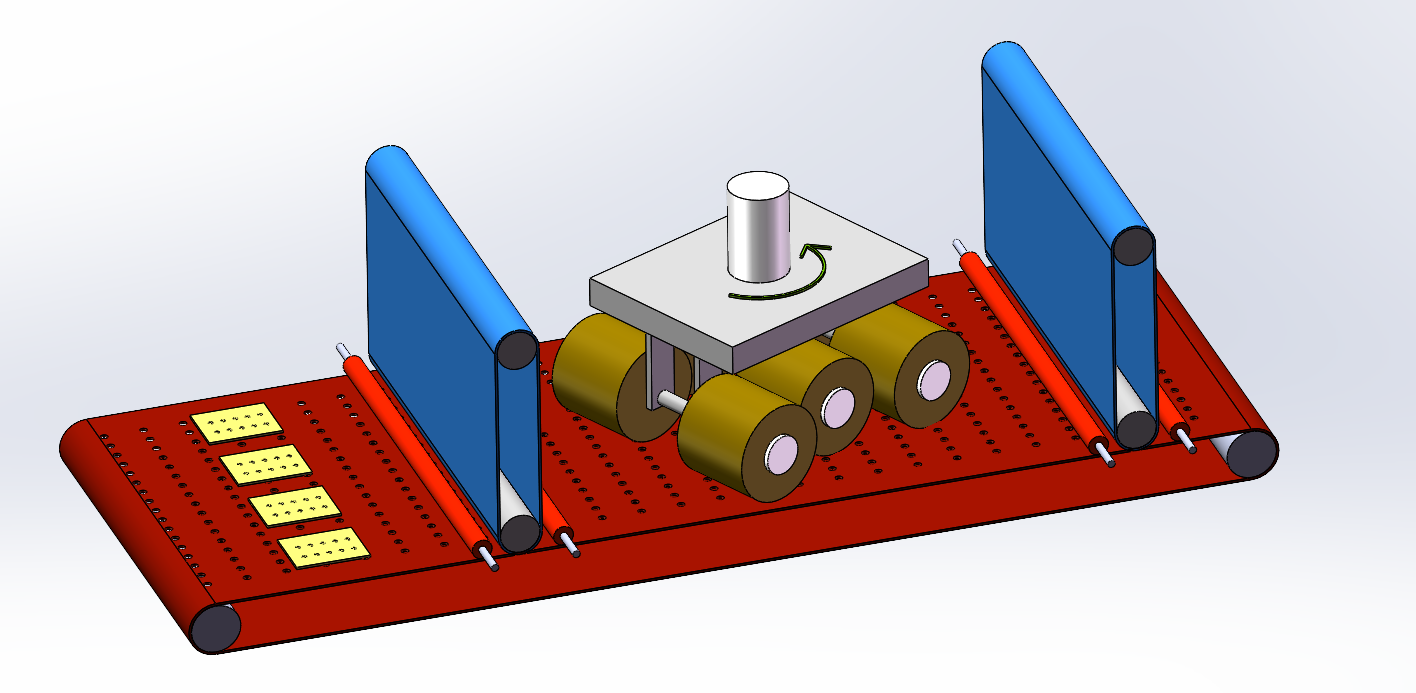
Aluminum may mark or load an abrasive differently from steel, and its dust requires a material-specific assessment. Galvanized parts introduce another question: how much coating can the process remove at the edge or face? Carbon-steel parts can vary substantially in burr severity and oxide condition. These differences affect consumable choice, pressure, support and cleaning. A shared machine therefore needs documented material changeover practices rather than an assumption that one recipe suits every batch.
Building a useful sample record
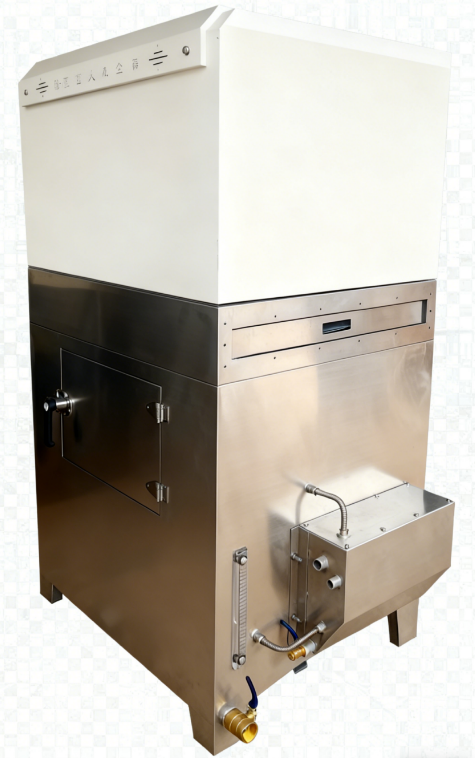
Assign each sample a part number and record its material, thickness, incoming defect and required outcome. Photograph the same locations before and after processing. Add the recipe reference, abrasive condition and inspection result without turning a single trial into a guaranteed production claim. If the sample fails, identify whether the limit comes from geometry, workholding, surface protection or the incoming cutting quality. That makes the next discussion with BOGONG specific and actionable.
Applications on the shop floor
A mixed-order fabrication shop
Separate stainless cosmetic panels from carbon-steel structural brackets before testing. Compare process and cleaning requirements for each family.
Aluminum equipment housings
Test the most flexible panel and the smallest non-magnetic part. Check both retention and surface marking after finishing.
Galvanized cabinet components
Agree which areas may be abraded and how exposed material will be treated during the downstream finishing process.
What to check
| Material identity | Grade, coating and magnetic behavior |
|---|---|
| Surface protection | Visible face, film and grain direction |
| Changeover | Abrasives, cleaning and material segregation |
| Evidence | Matched before-and-after locations |
Application questions
Can one machine process several metals?
A machine may be configured for several materials, but that does not make every consumable, holding method or dust system suitable for all of them. Confirm each material route.
Should protective film stay on during deburring?
That depends on the film, the surface requirement and the machine process. Ask for a trial using the actual film and record whether it stays on or is removed.
Why send a coated or finished sample?
It shows which surface must be preserved and helps prevent a recommendation that removes more material or coating than the part allows.
Does a sample test replace a production specification?
No. The sample demonstrates the proposed route. Drawings, inspection criteria and agreed process limits still define acceptance.
Product information
- Industrial Sheet Metal Deburring and Edge Rounding Machine
- BG-L/S-M/VSA-BRB / BRP Sheet Metal Deburring Machine
- Industrial Dust Collector for Metal Finishing
Prepare a material-by-part-family sample list for BOGONG, including the appearance and coating constraints that must survive finishing. Discuss your workpiece
Need a machine recommendation?
Send your workpiece drawings, material type, burr condition and target surface finish. We will suggest the right sanding machine and give you an FOB price range.