Industrial Sheet Metal Deburring and Edge Rounding Machine
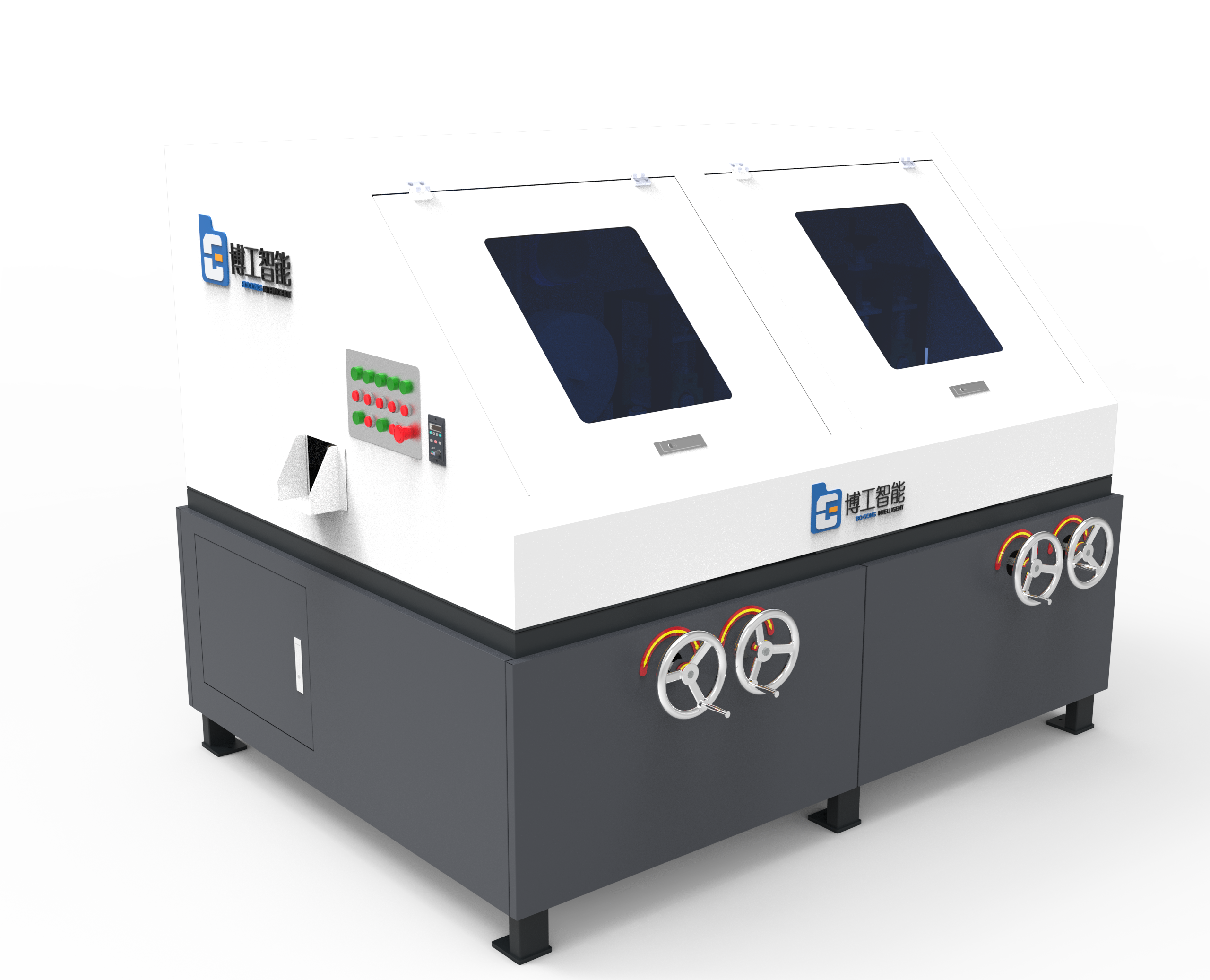
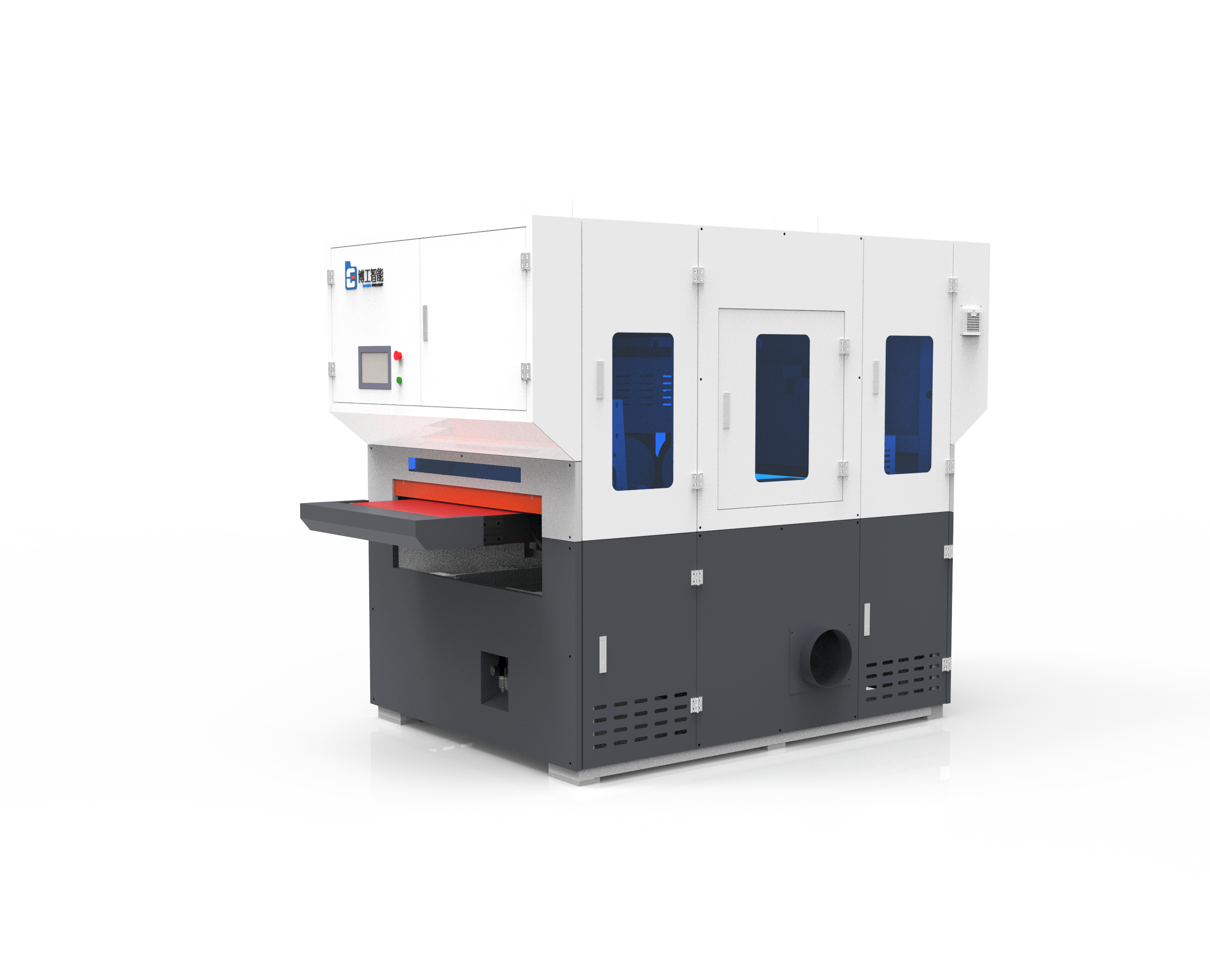
The BOGONG industrial sheet metal deburring machine is designed for removing burrs, oxide skin and sharp edges from laser-cut, plasma-cut, punched and sheared metal parts. It is suitable for factories that need stable surface finishing before bending, welding, powder coating or assembly.
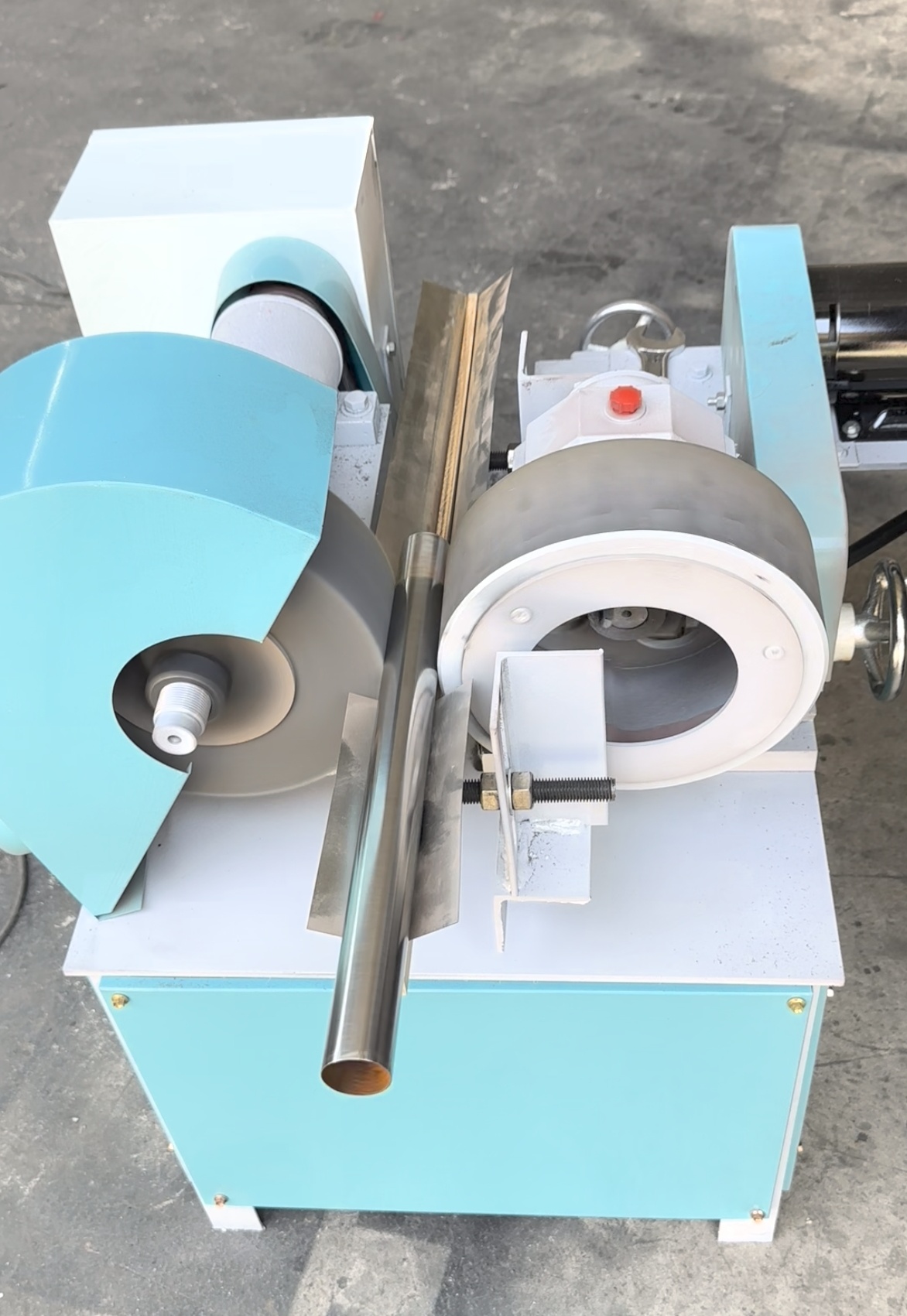
This machine can be configured with abrasive belt, brush roller and edge rounding modules according to the workpiece material and finishing target. It helps reduce manual grinding, improve coating adhesion and keep part edges safer for operators.
Typical Applications
- Laser-cut stainless steel, carbon steel and aluminum parts
- Electrical cabinets, kitchen equipment, elevator parts and metal enclosures
- Deburring before CNC folding, welding and coating
- Batch production of sheet metal parts with consistent edge quality
Key Features
- Multiple process modules for burr removal, edge rounding and surface finishing
- Wide belt sanding structure for flat surface treatment
- Brush module available for internal and external edge rounding
- Variable conveyor speed for different materials and burr conditions
- Can be matched with wet or dry dust collection systems
Reference Parameters
| Working width | 800 mm / 1000 mm, customizable |
|---|---|
| Process modules | Abrasive belt, brush roller, edge rounding brush |
| Applicable materials | Stainless steel, carbon steel, aluminum, galvanized sheet |
| Sheet thickness | Approx. 0.5-80 mm depending on configuration |
| Conveyor speed | Variable frequency control |
| Dust collection | Dry dust collector or wet dust collector optional |
| Customization | Available for width, module layout and automation interface |
What Buyers Usually Want to Confirm
Most buyers searching for a sheet metal deburring machine are not only comparing price. They need to confirm whether the machine can solve burr removal, edge rounding, surface protection and downstream process stability at the same time. For laser cutting service centers, the key question is usually throughput and mixed-part flexibility. For cabinet, enclosure and stainless steel product manufacturers, the key question is whether the rounded edge is stable enough for powder coating, bending and final assembly.
Configuration Guide
| Heavy bottom burrs after laser cutting | Choose abrasive belt first, then brush edge rounding. This layout removes the raised burr before creating a safer edge radius. |
|---|---|
| Small burrs and sharp edges | A brush-based configuration may be enough when the burr is light and the main target is edge rounding. |
| Visible stainless steel surfaces | Use suitable abrasive grit, controlled pressure and surface protection workflow to reduce random scratches. |
| Parts before powder coating | Prioritize consistent edge rounding, because sharp edges are harder to coat evenly. |
| Aluminum parts | Confirm dust safety, brush material and whether wet dust collection is required for the workshop. |
Suitable Workpieces
- Flat laser-cut parts with external contours and internal holes
- Cabinet doors, electrical box panels, control cabinet plates and mounting brackets
- Stainless steel kitchen panels, elevator panels and appliance parts
- Carbon steel parts before painting, powder coating or welding
- Aluminum panels that require safer edges and cleaner handling
Not Recommended For
- Very small parts that cannot be held safely by the conveyor without fixtures
- Severe slag or large dross that should be removed by cutting parameter correction or pre-grinding
- Deep 3D welded assemblies that need robotic or manual tool access instead of flat-bed processing
- Parts with oil, loose coating or unstable surface contamination before cleaning
Process Flow
- Place laser-cut or punched parts on the conveyor.
- The abrasive belt removes main burrs and light oxide layer.
- The brush module rounds internal and external edges.
- Finished parts move to bending, welding, coating or assembly.
- Dust is collected by a matched dry or wet dust collection system.
RFQ Checklist
To quote the correct machine, please send material type, thickness range, maximum part size, minimum part size, burr photos, required edge radius, surface requirement, daily production volume, dust collection preference and workshop voltage. Sample testing is recommended when the part surface or burr condition is difficult to judge from photos.
Core Selling Points
A BOGONG sheet metal deburring machine is used to remove burrs and round sharp edges from laser-cut, punched and sheared metal parts. It is suitable for stainless steel, carbon steel, aluminum and galvanized sheet parts used in cabinets, enclosures, kitchen equipment, elevators and coating lines. Buyers should choose the abrasive belt and brush configuration according to burr size, surface requirement, part width and downstream process.
Buying FAQ
Can the machine remove heavy burrs from laser cutting?
Yes. For heavy burrs, we normally recommend an abrasive belt module first, followed by brush modules for edge rounding and surface consistency.
Can it process stainless steel without damaging the surface?
Yes. Abrasive grit, brush type, pressure and conveyor speed can be selected according to stainless steel surface requirements.
Do I need a dust collector?
Yes. Metal sanding and deburring generates dust. BOGONG can provide a matched dust collection solution for safer workshop operation.
How should I choose the working width?
Choose the width according to your largest common workpiece. For many sheet metal workshops, 1000 mm is a practical choice; wider machines can be customized.
Will edge rounding help powder coating?
Yes. A rounded edge helps coating cover the corner more evenly than a sharp laser-cut edge. This is one reason cabinet and enclosure factories use automatic deburring before coating.
Can one machine handle mixed small and large parts?
It can handle mixed flat parts within the working width and safe conveying range. Very small parts may need a vacuum table, carrier plate or process adjustment.
What is the difference between deburring and edge rounding?
Deburring removes raised burrs. Edge rounding creates a small radius on sharp edges. Many factories need both processes in one pass.