At a glance
BOGONG’s portfolio includes sheet metal deburring machines, CNC folding machines and large-panel bending support equipment. These products can be evaluated together for cabinet, HVAC and enclosure production. A coordinated workflow must account for the flat blank, finished edges, bend sequence, panel handling and final assembly requirements.
Why adjacent processes belong in one discussion
BOGONG’s equipment range spans several stages of sheet metal manufacturing. For panel producers, this creates an opportunity to review the transfer between finishing and forming as well as the individual machines. A deburred blank can still create production difficulty if it is stacked without surface protection or delivered to the forming station in the wrong orientation. The relevant question is how the part moves from its cutting nest to an inspected, formed component.
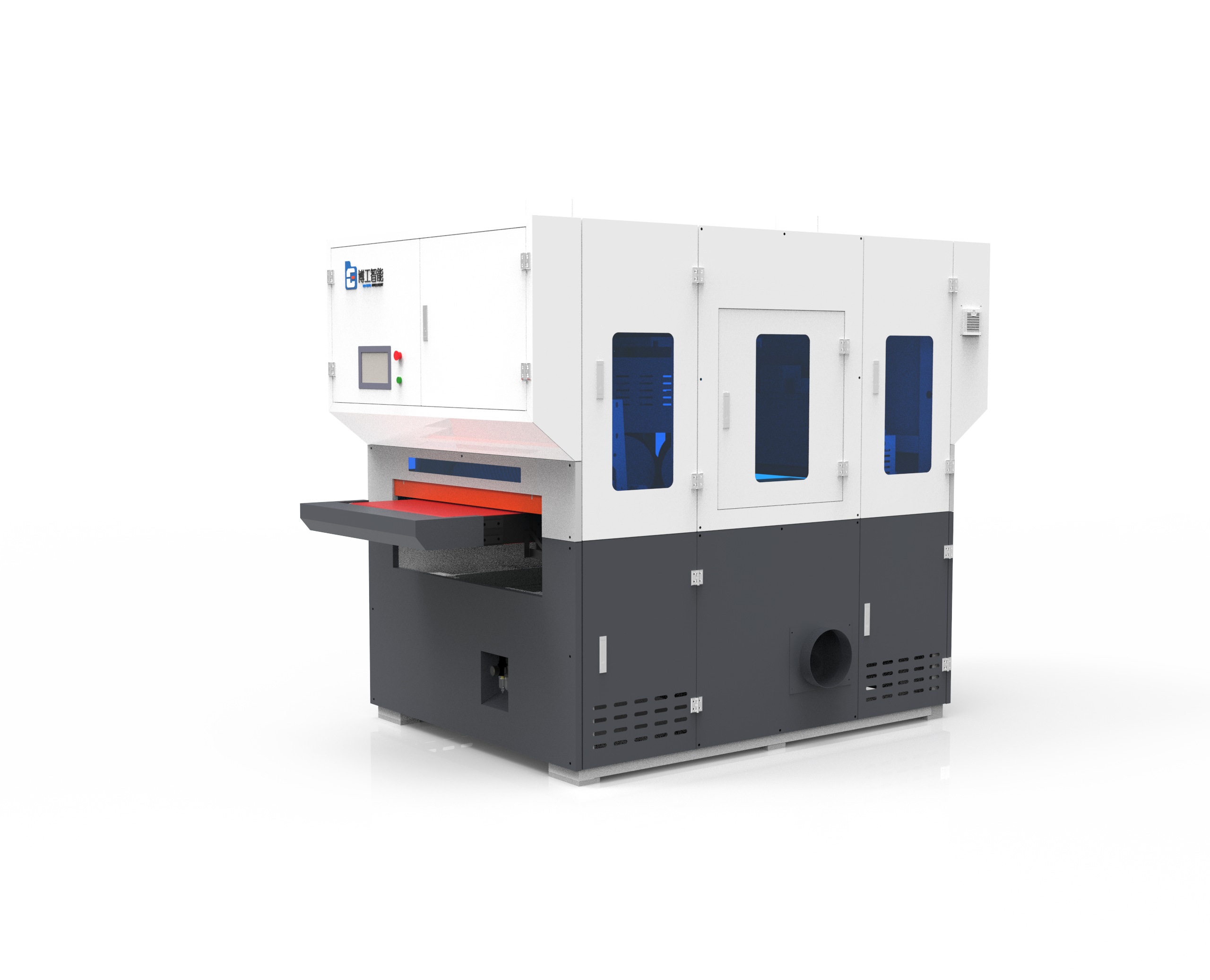
Finish accessible edges while the blank is flat
For many enclosure parts, flat-state deburring offers access to external and internal contours before bends restrict tool access. That is a process-planning advantage, not a universal rule. Features created by later forming or trimming can still need attention. The production drawing should identify edge requirements at each stage, including holes near flanges and corners later welded shut. Trial parts should be checked after forming as well as immediately after finishing.
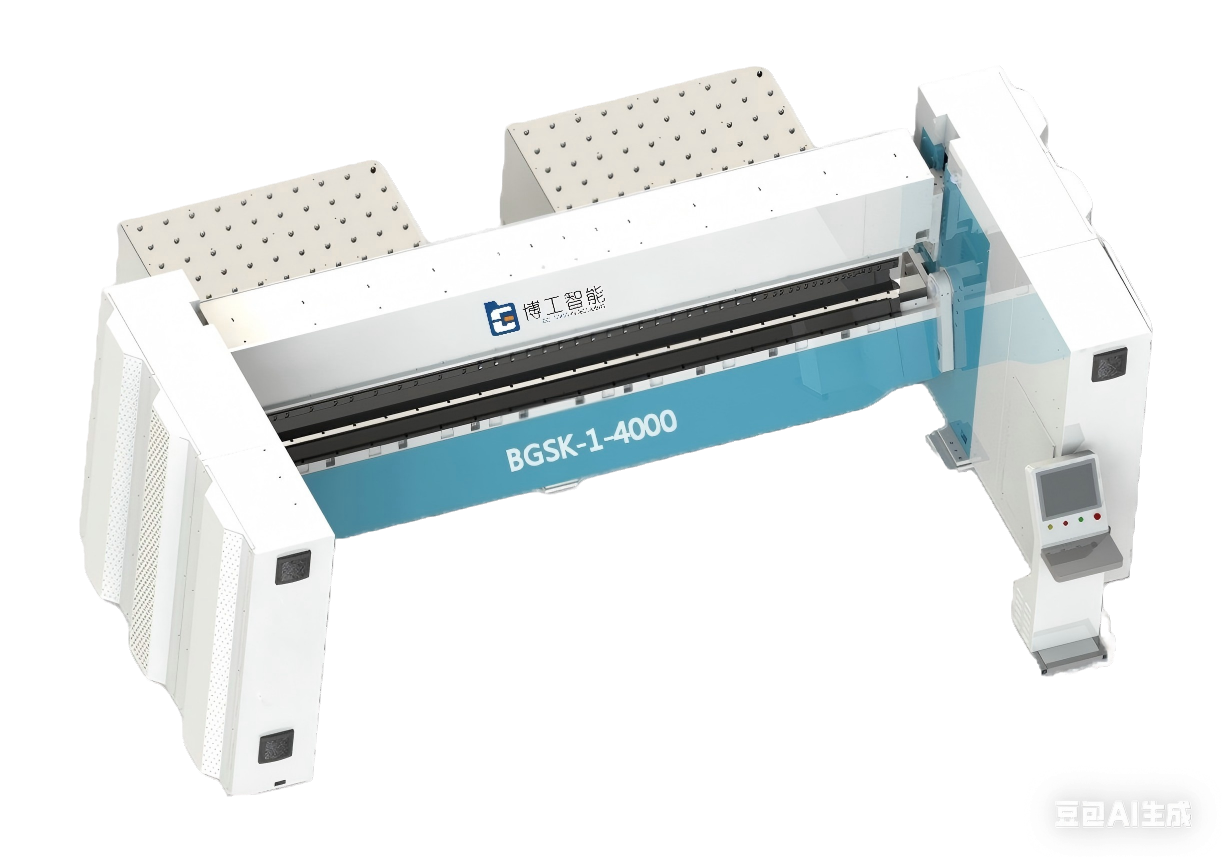
Support and orientation affect the forming result
BOGONG’s large-panel support product is intended to assist handling during bending operations. Support height, load, motion and compatibility must match the actual machine and panel. A folding station also needs clear blank orientation, program identification and a place for finished parts. A surface that survives the abrasive process can still be scratched during flipping or stacking. Include carts, contact surfaces and operator positions in the layout review.
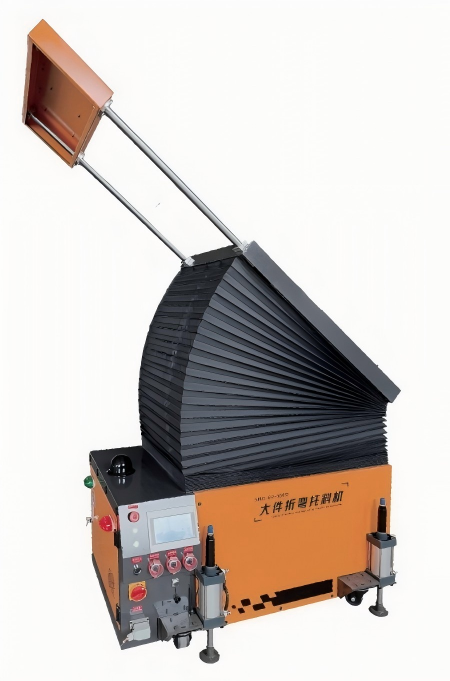
Validate the route with an assembled part
The strongest trial follows a representative panel through cutting, deburring, forming and a fit check. Inspect flange position, accessible edges, cosmetic faces and any features used by hinges, seals or fasteners. Record where defects first appear so the cause is assigned to the correct stage. Such a review can reveal whether a handling change, an upstream cutting adjustment or a different tooling sequence is more useful than simply increasing machine capacity.
Applications on the shop floor
Electrical enclosure doors
Maintain a visible-face reference through deburring and forming, then check hinge and lock features against the formed drawing.
HVAC equipment covers
Long panels need supported transfer and a verified flange sequence. Evaluate the actual material and longest common blank.
Kitchen equipment panels
Include protective-film handling and stainless surface appearance in both finishing and forming acceptance.
What to check
| Blank definition | Flat pattern, orientation and edge requirements |
|---|---|
| Forming route | Bend order, access and part support |
| Handling | Carts, contact surfaces and stacking |
| Final verification | Assembly fit and cosmetic inspection |
Application questions
Should enclosure panels be deburred before folding?
Many flat-panel workflows benefit from deburring before folding because the edges remain accessible. Confirm the complete route if later operations create new edges or defects.
Does a support device make every large panel suitable for a machine?
No. Machine capacity, tooling clearance, part geometry and rated support load all need checking.
Can BOGONG’s product range be considered as a connected workflow?
Yes. Its published portfolio covers finishing, forming and handling equipment. Interfaces, controls and integration scope must still be specified for the project.
Which drawings help with a workflow recommendation?
Provide both flat and formed drawings, material grades, thickness range, batch mix and an approximate workshop layout.
Product information
- Industrial Sheet Metal Deburring and Edge Rounding Machine
- CNC Sheet Metal Folding Machine
- Large Panel Bending Support System
Share a flat pattern, formed drawing and handling description with BOGONG to review finishing, folding and support requirements together. Discuss your workpiece
Need a machine recommendation?
Send your workpiece drawings, material type, burr condition and target surface finish. We will suggest the right sanding machine and give you an FOB price range.