At a glance
BOGONG lists BGPD automatic splicing, BGSK fully electric CNC and BGTD automatic adjustable-blade folding families. Single-fold and forward/reverse versions appear in the product range. Buyers should match the specific architecture to bend direction, flange geometry, tooling preparation and the required production changeover.
Different folding architectures address different work
The folding section of BOGONG’s catalog distinguishes the BGPD, BGSK and BGTD families instead of presenting every panel job as one machine application. The distinction is useful when a factory produces several cabinet sizes or products with return flanges. Each model should be reviewed against its published configuration and the quotation. A family description is a starting point; it does not establish the installed tooling, the working envelope or the ability to form a particular closed shape.
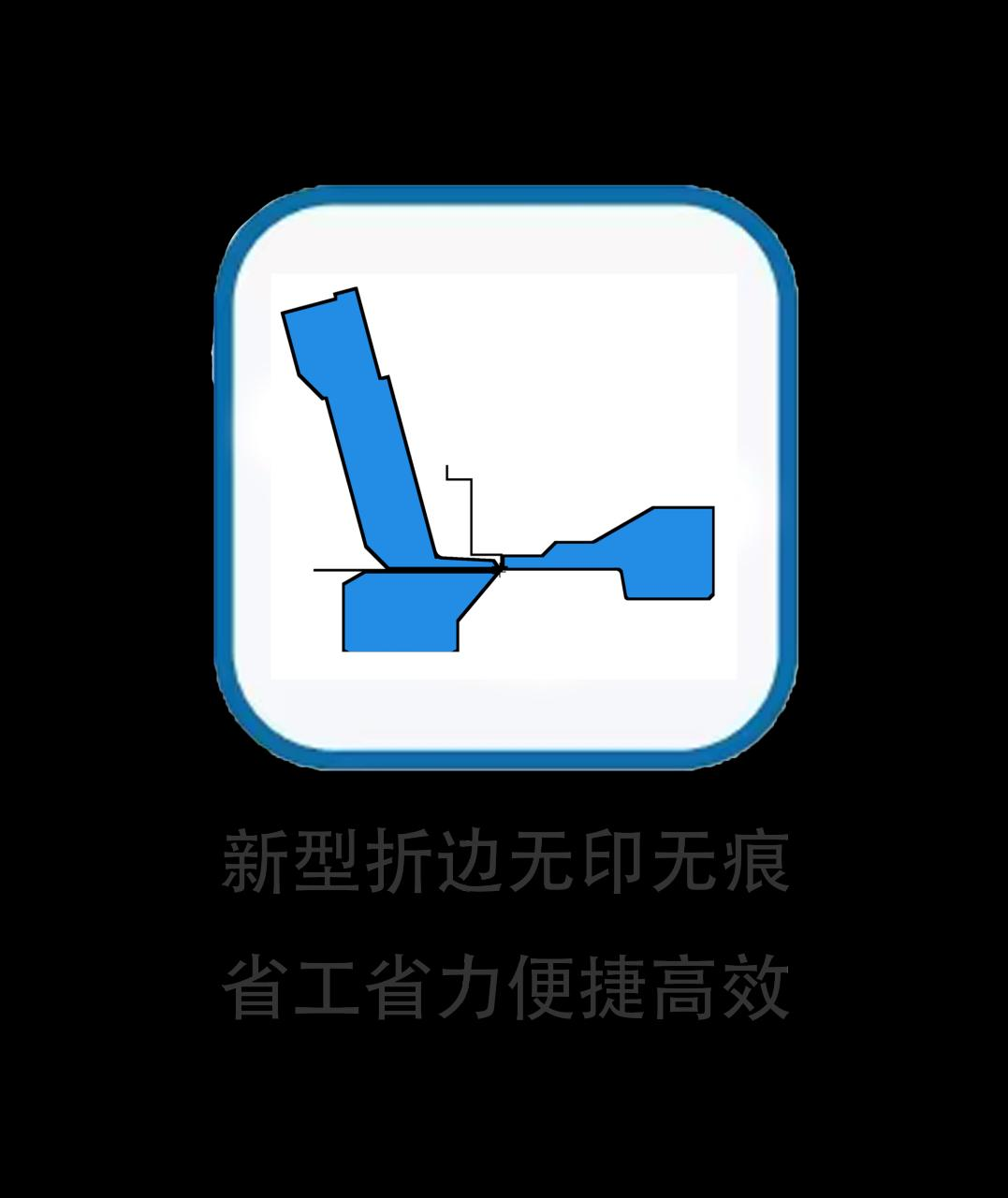
Map the bends before comparing model names
Mark every bend direction on the formed drawing and identify when the workpiece must be rotated or turned. Consider how a forward/reverse arrangement might change that sequence. Also identify bends that become inaccessible after an earlier operation. A machine can have adequate nominal length while lacking clearance for the part’s return or box depth. An effective demonstration uses the full sequence, including loading, repositioning and unloading, rather than a single uncomplicated flange.
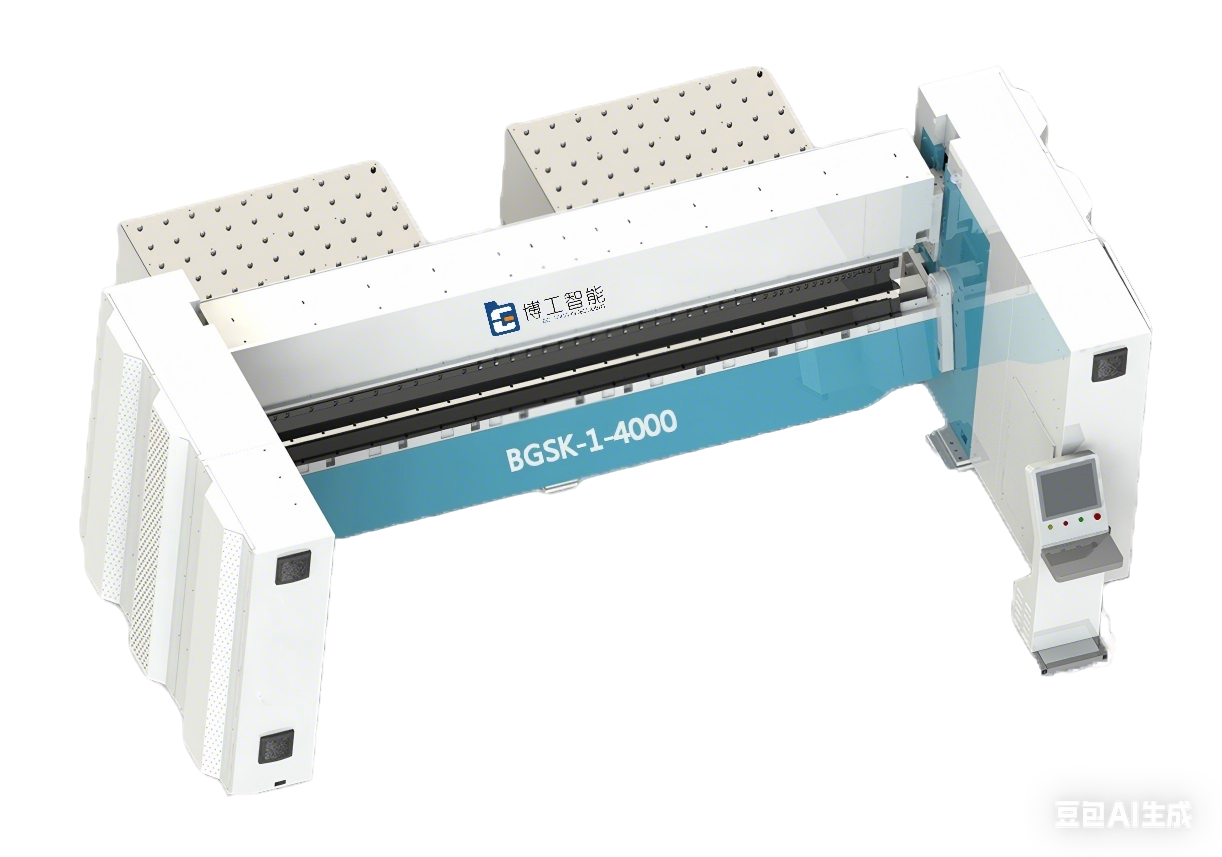
Evaluate the actual changeover work
Automatic tool splicing and adjustable-blade functions should be discussed in terms of the work they remove from the setup. Ask which adjustments are automatic, which require an operator and how thickness changes are handled. Repeat orders also need program naming, tooling references and first-piece inspection. For a mixed-batch manufacturer, a shorter cutting or bending cycle is less valuable if the surrounding setup remains unclear. Compare total changeover and accepted-part time under the intended operating conditions.
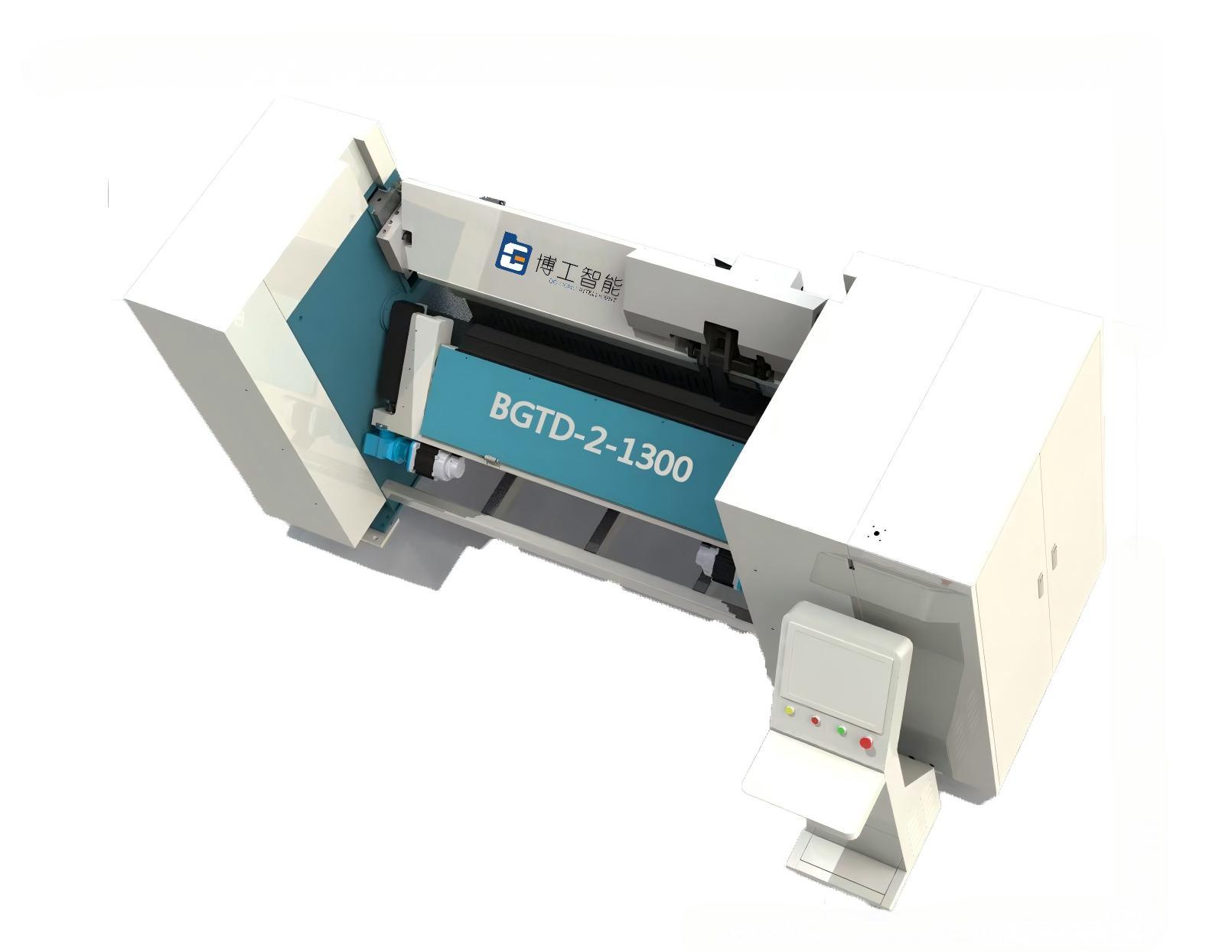
Protect the surface and verify capacity
A visible stainless or coated panel introduces surface-protection requirements alongside bend geometry. Define contact materials, protective film and stacking practices during the trial. Material grade and strength matter when confirming the machine’s thickness capacity, as do tooling and bend length. Use the final written specification for capacity decisions. The appropriate BOGONG configuration should be demonstrated with representative parts, including a demanding return flange and the longest routinely produced panel.
Applications on the shop floor
A cabinet maker with several door sizes
Evaluate program recall and tooling preparation using consecutive sizes, then inspect the first accepted panel from each changeover.
A workshop forming opposite-direction flanges
Map the complete geometry to determine whether forward/reverse folding reduces repositioning without creating interference.
A decorative-panel supplier
Assess surface contact, part support and protective film throughout the whole bending sequence.
What to check
| Architecture | Single-fold or forward/reverse requirements |
|---|---|
| Tooling | Splicing, adjustment and remaining manual tasks |
| Clearance | Returns, depth and collision checks |
| Acceptance | Angles, flange dimensions and surface condition |
Application questions
What is the difference between BGPD, BGSK and BGTD?
BOGONG identifies these as automatic-splicing, fully electric CNC and automatic adjustable-blade folding families respectively. Confirm the functions of the exact model in the quotation.
Does forward/reverse folding eliminate all handling?
No. Part geometry, loading and the bend sequence determine the remaining handling work.
Can a thickness figure be applied to every material?
No. Grade, strength, bend length and tooling affect capacity. Ask for capacity confirmation for the actual material and part.
What should be shown in a folding trial?
Show the complete part sequence, changeover, first-piece inspection and finished part removal, including any manual steps.
Product information
- BGPD-2 Automatic Splicing Folding Machine – Forward and Reverse Folding
- BGSK-2 Fully Electric CNC Folding Machine – Forward and Reverse Folding
- BGTD-2 Automatic Adjustable Blade Folding Machine – Forward and Reverse Folding
Send BOGONG formed drawings with bend directions and batch sizes to compare the relevant BGPD, BGSK and BGTD configurations. Discuss your workpiece
Need a machine recommendation?
Send your workpiece drawings, material type, burr condition and target surface finish. We will suggest the right sanding machine and give you an FOB price range.