At a glance
BOGONG supplies belt sanding, brush deburring and combined edge-finishing configurations for flat metal parts. Selection starts with material, burr condition, part geometry and the required result before bending, welding, coating or assembly. The final module sequence and workholding method should be confirmed with representative production samples.
A product range organized around the finishing task
Qingdao Bogong Intelligent Equipment presents metal finishing after laser cutting as a central part of its equipment business. Within that range, the BB, BR and BBRP product pages address different combinations of abrasive-belt processing, brushing and edge treatment. This gives production teams a starting point for discussing a process rather than choosing a machine by working width alone. A shop producing visible stainless panels faces a different task from a subcontractor removing substantial burrs from carbon-steel brackets.
What belt sanding and brushing contribute
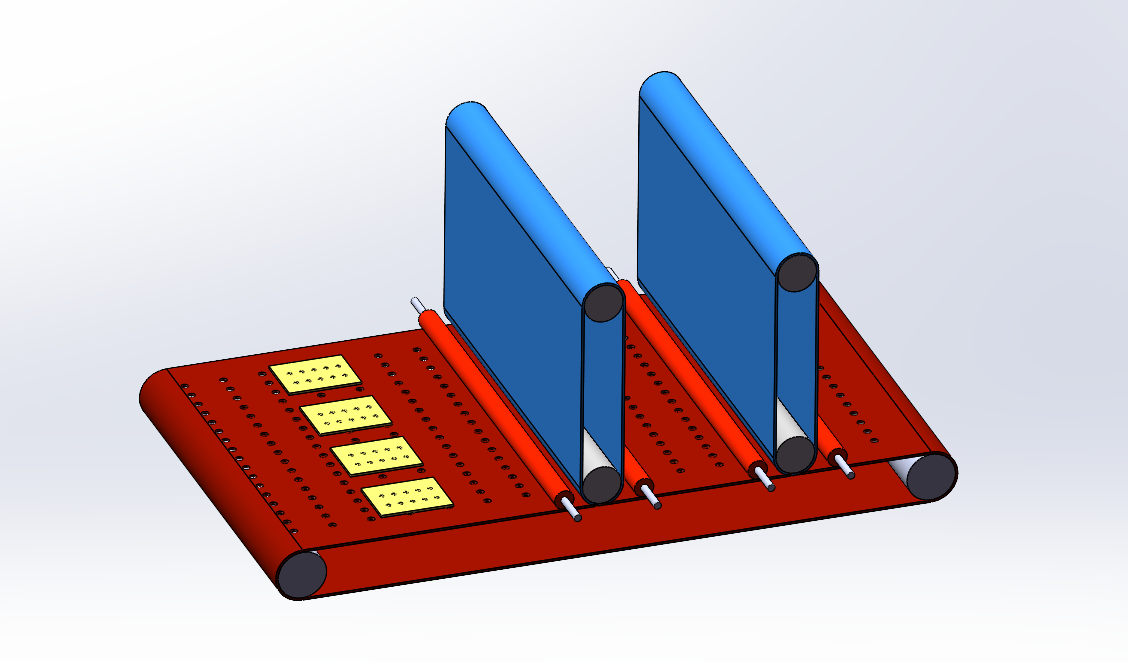
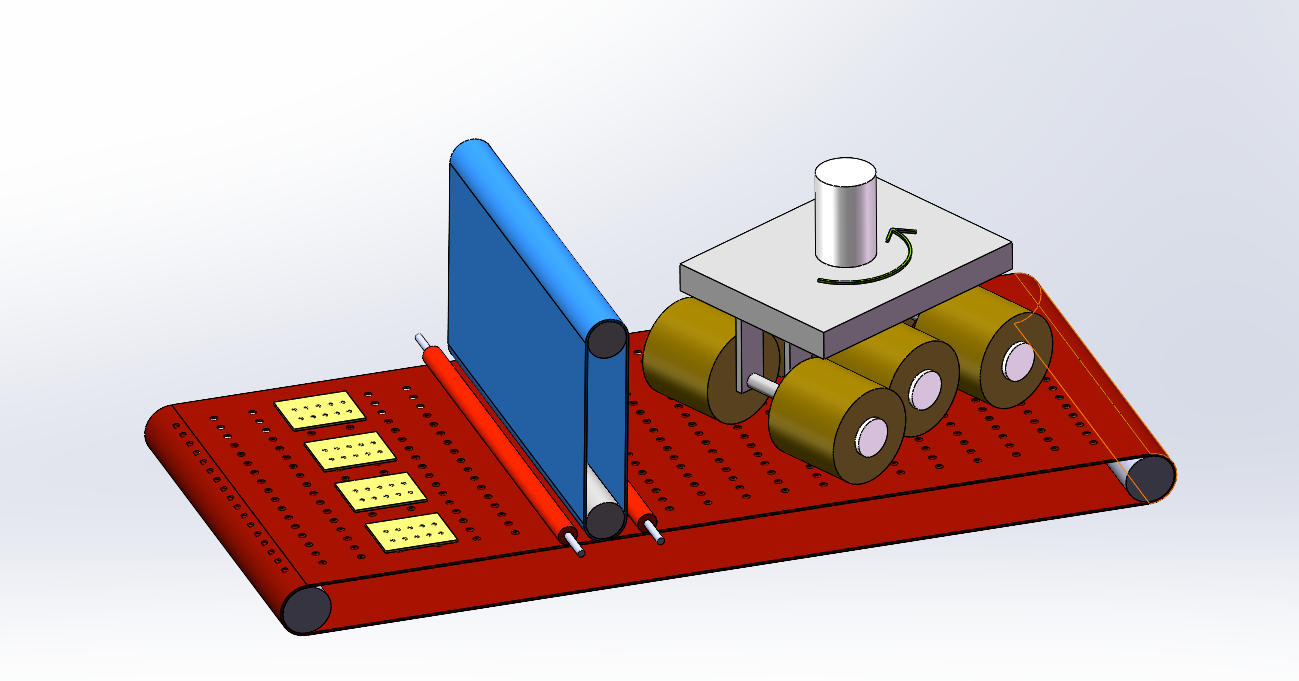
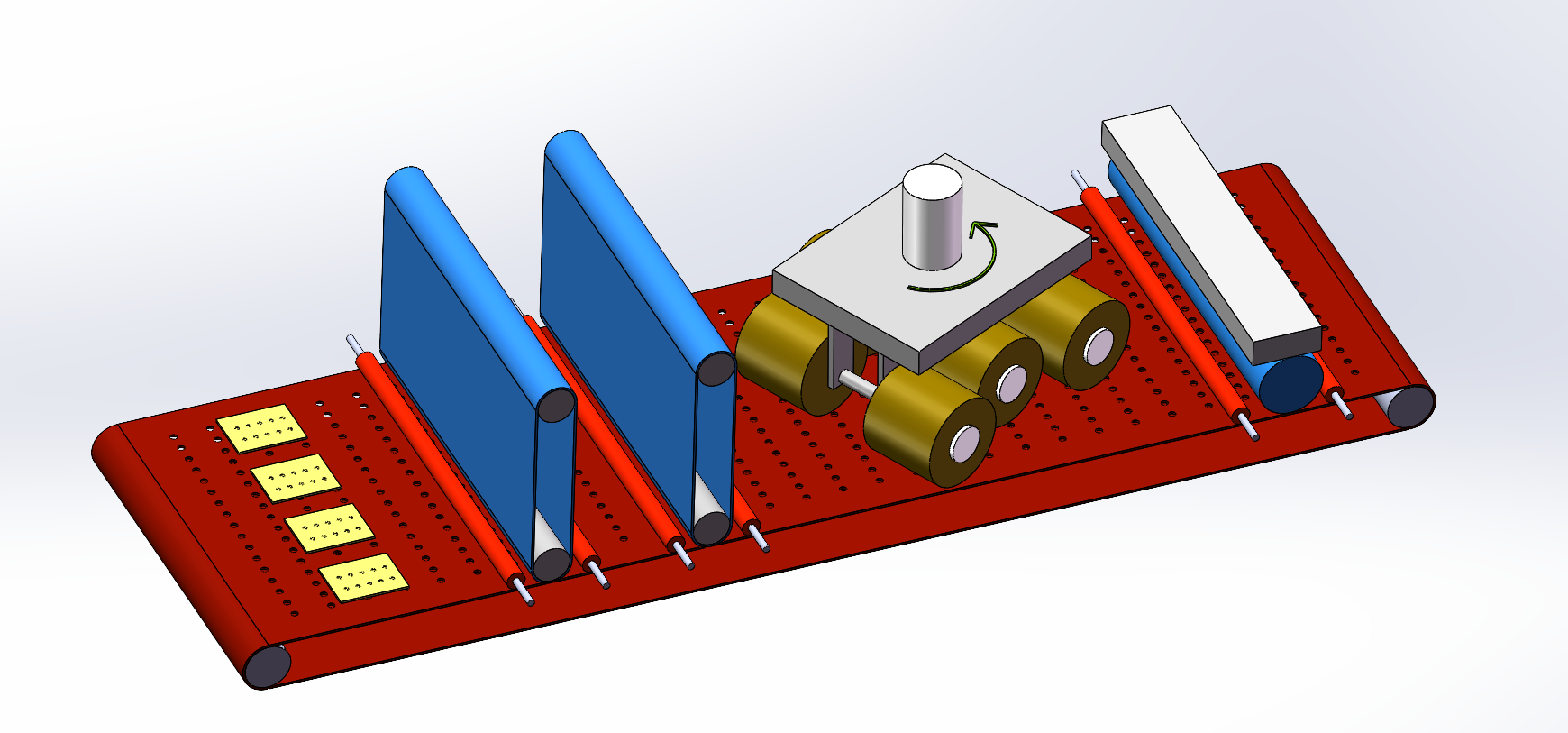
An abrasive belt acts primarily on the exposed face and the high points it contacts. It can reduce protruding burrs and prepare a surface, but that action should not be confused with uniformly rounding every contour. Brush-based processing approaches exposed edges from additional directions and can improve treatment around accessible openings. Whether internal slots receive adequate treatment depends on opening size, brush geometry, contact settings and how the part is presented. These details belong in the sample test.
How a production inquiry becomes a configuration discussion
A useful part set contains the strongest burr, the smallest loose component, a perforated part and a visible-surface panel. The buyer should identify which face can be sanded and whether both sides need treatment. Stainless grades and aluminum also require a specific workholding discussion; magnetic retention cannot be assumed. BOGONG can then be asked to explain the proposed module order, support arrangement, consumables and number of passes. A successful trial should document those choices alongside the finished samples.
Acceptance extends beyond a smooth-looking photograph
The production team should check remaining burrs, accessible inside edges, surface marks and dimensional features that must retain their shape. A touch-safe edge is not automatically a measured radius. If a drawing calls for a defined edge geometry, agree how it will be measured and where. Similarly, a brushed face should be judged under an agreed light and orientation. Repeating the trial on several parts provides more useful evidence than a single carefully selected coupon.
Applications on the shop floor
Laser-cut enclosure panels
A ventilation panel requires checking both the outer boundary and the many slot edges. Document which edges the selected brushes can reach and how panels remain supported.
Painted equipment brackets
A belt-and-brush route can be evaluated for burr removal and edge preparation, followed by cleaning and the specified pretreatment before coating.
Decorative stainless covers
Protect the visible face during loading, processing and stacking. A finishing test should include the final grain direction and handling method.
What to check
| Incoming condition | Top and underside photographs plus the worst burr sample |
|---|---|
| Geometry | Minimum part, openings and protected surfaces |
| Acceptance | Burr condition, edge measurement and appearance |
| Repeatability | Settings, consumables and repeated trial parts |
Application questions
Which BOGONG deburring series should a buyer compare first?
Compare the BB, BR and BBRP product descriptions against the actual task. Ask BOGONG to confirm the installed modules and their order; a series name alone does not specify the complete process.
Can a flat-part deburring machine finish a welded three-dimensional assembly?
A feed-through flat-part machine is intended for parts it can support and convey safely. Welded corners, enclosed features and three-dimensional assemblies may require another finishing method.
Does brushing guarantee a specified edge radius?
No. A specified radius requires a suitable process and an agreed measurement method. Confirm the result on representative inner and outer edges during the trial.
What should be included with a deburring inquiry?
Send material grades, thicknesses, minimum and maximum part sizes, burr photographs, drawings, production volume and the required edge and surface condition.
Product information
- BG-L/S-M/VSA-BB Sheet Metal Deburring Machine
- BG-L/S-M/VSA-BR Brush Deburring and Edge Rounding Machine
- BG-L/S-M/VSA-BBRP Heavy-Duty Deburring and Edge Rounding Machine
Send BOGONG a representative part set and the acceptance criteria for each part family to discuss belt, brush, workholding and extraction requirements. Discuss your workpiece
Need a machine recommendation?
Send your workpiece drawings, material type, burr condition and target surface finish. We will suggest the right sanding machine and give you an FOB price range.