At a glance
BOGONG’s portfolio includes hydraulic uncoiling and leveling lines, sheet tipping machines and large-panel support equipment. These products address different material-handling stages. A project review should define coil specifications, output sheet requirements, transfer orientation, equipment interfaces and the downstream production route.
Material flow begins before the finishing machine
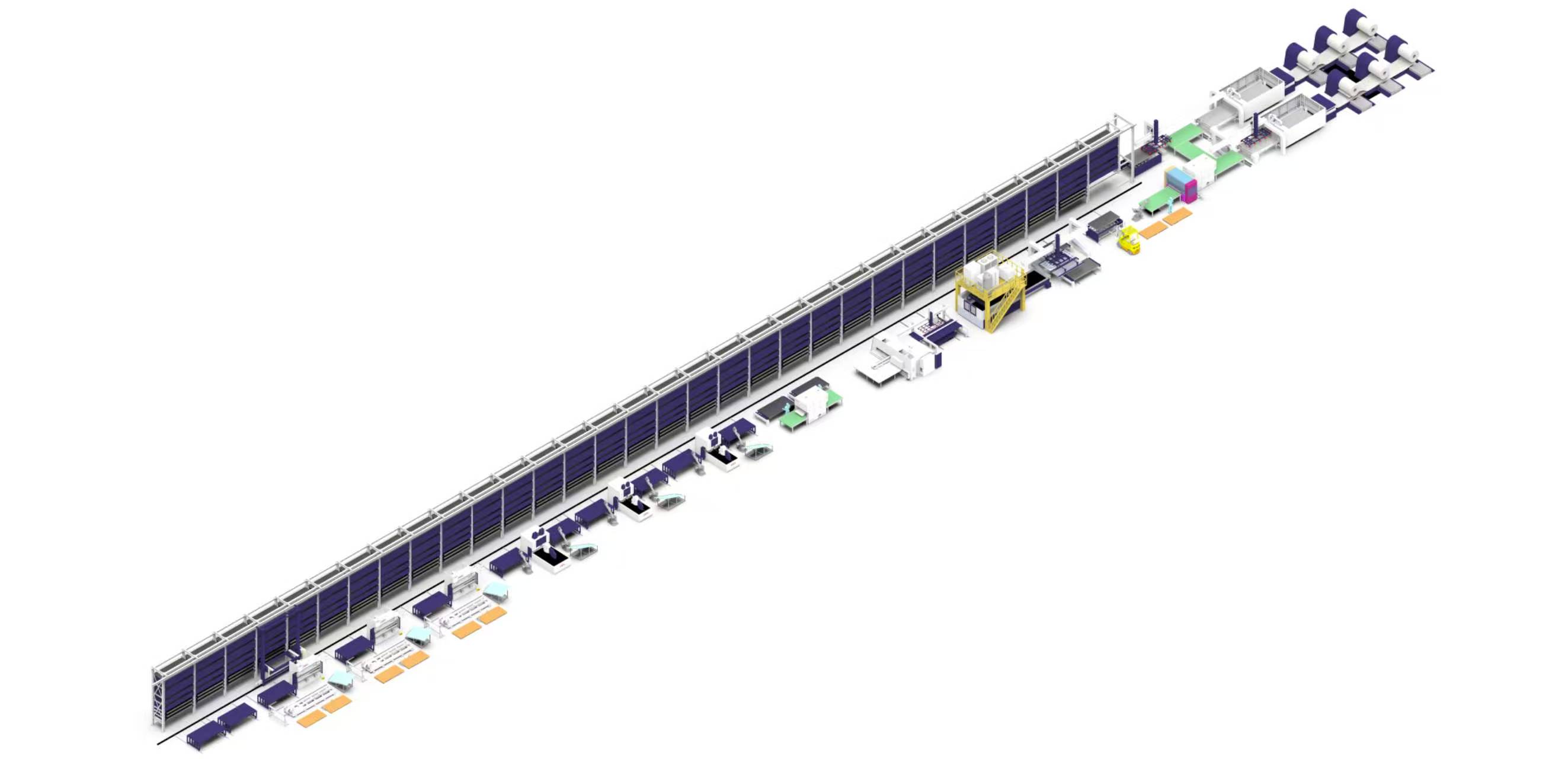
BOGONG’s uncoiling and leveling product sits upstream of cutting and forming, while tipping and support devices address later handling tasks. Reviewing these stages together can expose gaps between machines: how material is stacked, how a sheet changes orientation and how large parts arrive at the next operation. The equipment should be specified for the actual flow rather than treated as a collection of independent machines.
Define the incoming coil and required output
Coil review should cover material grade, strength, thickness, width, weight, inside diameter and outside diameter. Output requirements include the intended downstream operation and the acceptance method for flatness and length where applicable. The published line can include an uncoiler, coil car, leveler, feeder and controls according to the project. A cut-to-length device or stacking system must be confirmed explicitly if required; it should not be inferred from the word line.
Separate turning, conveying and bending support
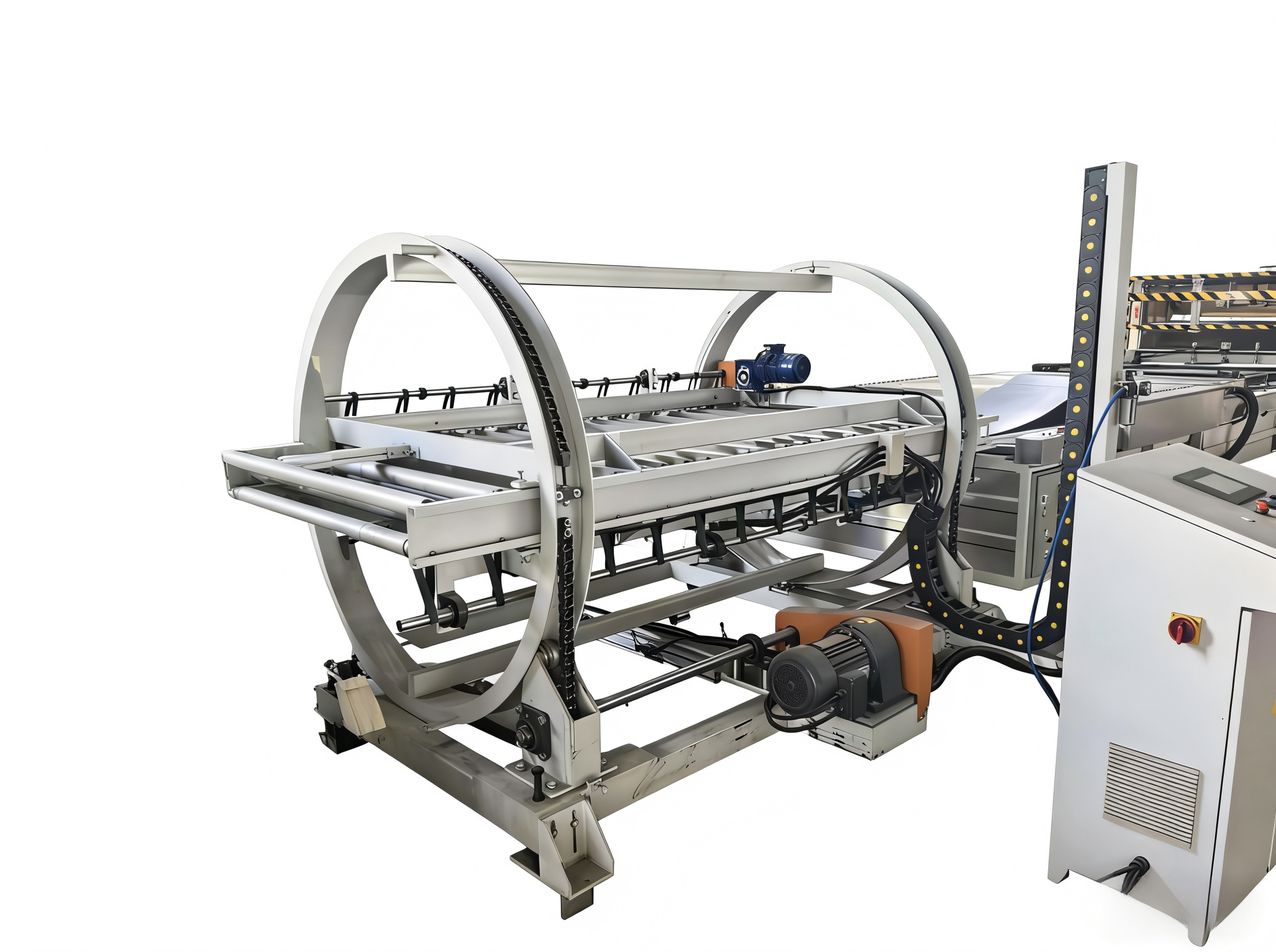
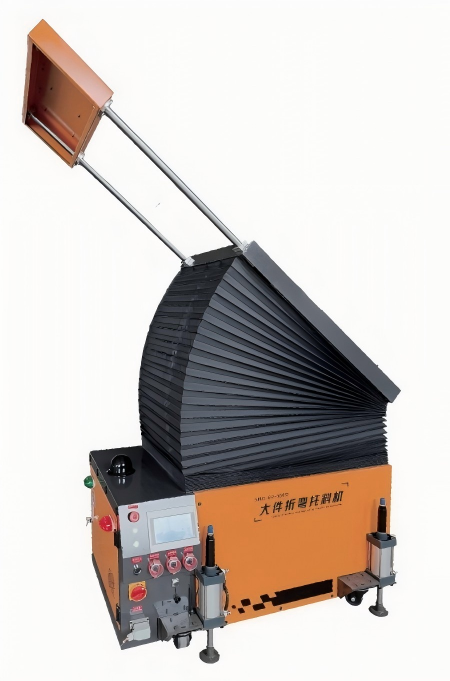
A tipping machine changes or assists the orientation and transfer of a sheet. A conveyor moves material between stations. A bending support device follows or supports a panel during forming. Their duties, motion and load cases differ. Specify the panel’s center of gravity, dimensions, weight and surface constraints for the intended handling action. For interfaces, confirm heights, transfer gaps, controls and the space needed to keep operators clear of moving material.
Verify the whole route with representative material
A practical commissioning plan checks material loading, leveling behavior, transfer and the quality of the output required by the next process. Thin sheet, high-strength material and large panels may expose different limitations. Document where manual intervention remains and how material is recovered after a stopped cycle. Safe coil loading and machine guarding belong in the engineered system. The final arrangement should match the workshop’s available lifting equipment, storage and access routes.
Applications on the shop floor
Coil-fed sheet metal production
Review the complete path from purchased coil to the required downstream feed format, including any cutting and stacking scope.
Two-face finishing workflows
Where parts need turning, define the sheet condition, turning sequence and surface protection at the tipping station.
Large enclosure panel forming
Match the support device to the host machine and panel motion rather than selecting only by overall panel length.
What to check
| Input | Coil and material specifications |
|---|---|
| Output | Feed format and agreed flatness requirement |
| Transfer | Height, load, orientation and contact surfaces |
| Integration | Controls, manual steps and recovery |
Application questions
Does an uncoiling and leveling line always include shearing?
No. Confirm the devices included in the proposed line, especially cutting, feeding and stacking equipment.
Can leveling guarantee all materials will meet one flatness target?
No. Material strength, thickness, incoming condition and line design affect the result. Agree a test and acceptance method.
Are tipping and bending support the same function?
No. They address different handling tasks and need different motion and integration reviews.
What should a buyer provide?
Supply coil data, required output, panel dimensions and weights, downstream machine information and the workshop layout.
Product information
- Hydraulic Uncoiling and Leveling Line
- Sheet Metal Tipping Machine for Finishing Lines
- Large Panel Bending Support System
Share the material specification and a simple material-flow layout with BOGONG to define line and handling interfaces. Discuss your workpiece
Need a machine recommendation?
Send your workpiece drawings, material type, burr condition and target surface finish. We will suggest the right sanding machine and give you an FOB price range.