At a glance
BOGONG lists separate round- and square-tube polishing equipment for profile finishing. Selection depends on profile dimensions, material, straightness, seam condition and the required appearance. Tube support and feeding need to be checked with the surface process, especially for long, thin-wall or cosmetic parts.
Profile finishing is part of BOGONG’s surface-treatment range
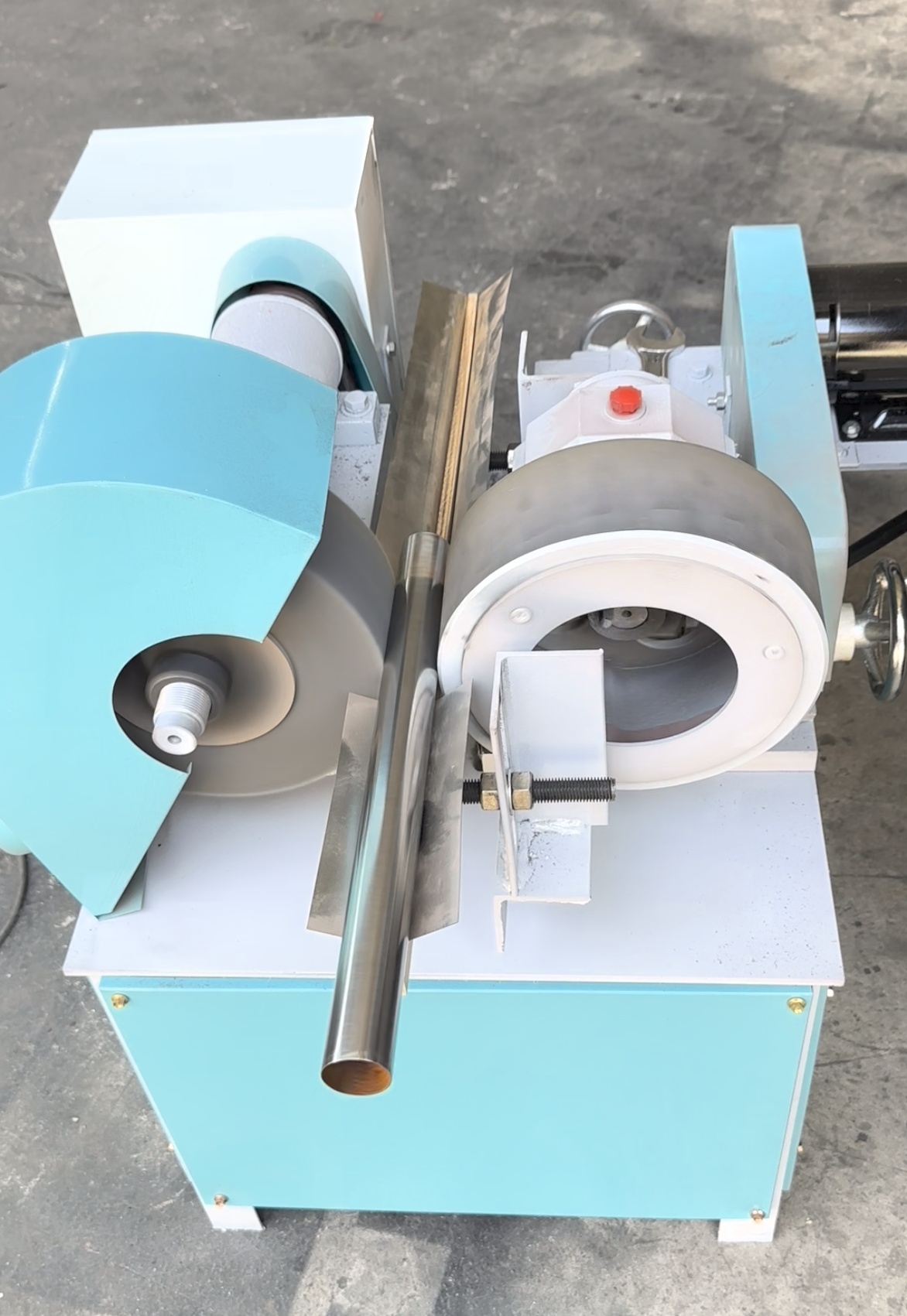
Alongside flat-sheet deburring, BOGONG supplies polishing equipment for round and square tubes. These products are relevant to manufacturers of handrails, metal furniture, racks and equipment frames. Profile shape changes the contact between abrasive and workpiece, so a flat-sheet finishing method should not be transferred to a tube without review. A round circumference and the faces and corners of a square section create different tooling and feeding requirements.
Define what the finish needs to look like
Terms such as polished, brushed and satin can be interpreted differently by suppliers and buyers. Provide an approved sample or detailed appearance reference and identify which surfaces remain visible after assembly. A grain direction, a bright reflection and a measured roughness are different requirements. If roughness matters, agree how it will be measured. A photograph can help communicate the appearance, but it does not establish the entire specification.
Support long tubes throughout the process
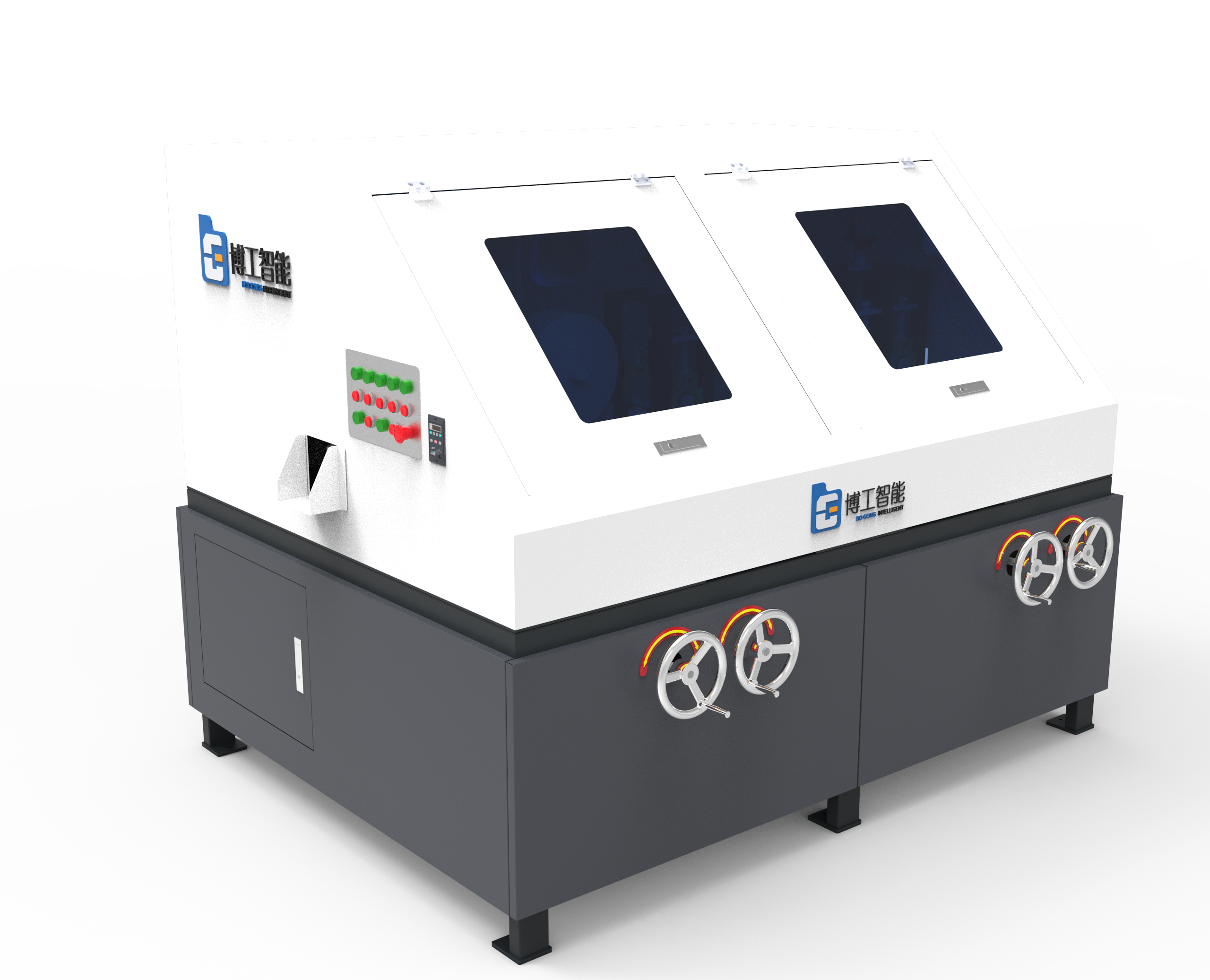
Tube length, wall thickness and straightness affect how the part behaves at the entry and exit. Poor support can cause marks or inconsistent contact even when the abrasive choice is appropriate. Ask how guides, rollers and feeding arrangements accommodate the proposed size range. Evaluate the smallest section and the longest typical tube, including loading and unloading. Square and rectangular tubes also require attention to corners so the process does not change the shape beyond what the drawing permits.
Plan finishing around welding and assembly
Some products use prefinished tubes followed by local weld cleanup; others need a finishing operation after assembly. The correct sequence depends on access and the final appearance. A straight-tube polishing machine should not be assumed to reach internal frame corners or produce a uniform finish over a welded assembly. BOGONG’s tube equipment can be considered alongside other grinding solutions where the product route requires both. Inspect the completed product to verify that different finishing stages produce an acceptable overall result.
Applications on the shop floor
Stainless handrails
Evaluate accessible surface continuity, tube support and the transition to any locally finished welds.
Metal furniture legs
Check visible faces and corners across repeated sections, including the handling used before assembly.
Equipment frame stock
Assess the incoming seam and tube straightness before deciding whether polishing occurs before or after welding.
What to check
| Profile | Round, square or rectangular dimensions |
|---|---|
| Incoming surface | Seam, straightness and prior finish |
| Appearance | Approved reference and visible faces |
| Handling | Length support and surface-safe storage |
Application questions
Can one machine handle round and square profiles?
Do not assume this. BOGONG lists distinct products; confirm the profile range and tooling of the proposed machine.
Does tube polishing remove a heavy weld seam?
That depends on the seam, allowable material removal and tooling. A preliminary grinding operation may be needed and should be tested.
Does a bright finish define surface roughness?
No. Appearance and roughness are related but different specifications. Measure roughness if the product requires it.
Which tube samples should be supplied?
Include the smallest and largest profiles, longest typical length, thinnest wall and a sample with the most demanding seam or appearance requirement.
Product information
Provide BOGONG with the profile range, representative tubes and an approved surface reference to review the polishing route. Discuss your workpiece
Need a machine recommendation?
Send your workpiece drawings, material type, burr condition and target surface finish. We will suggest the right sanding machine and give you an FOB price range.