At a glance
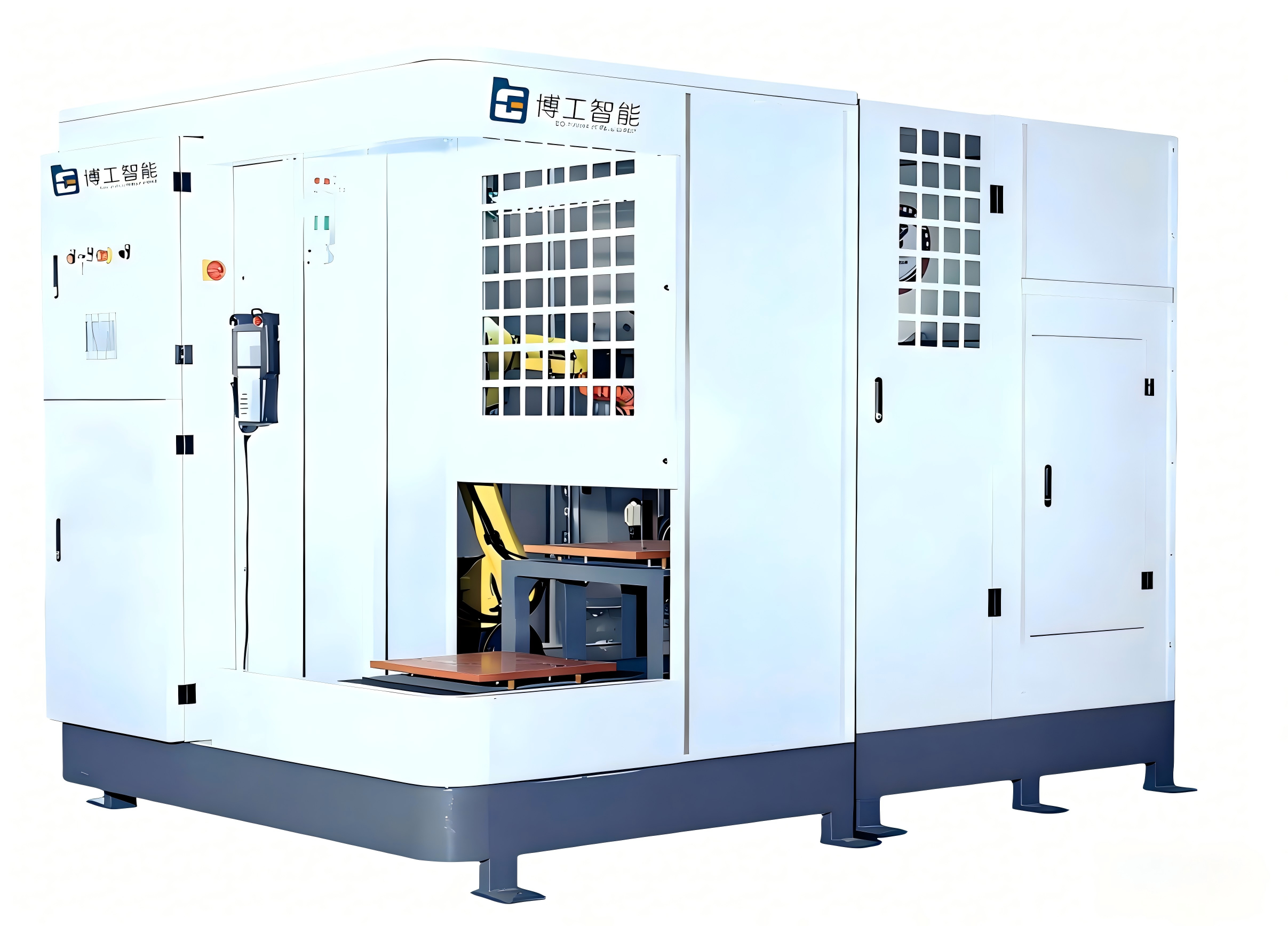
BOGONG offers platform, gantry and robotic laser welding systems for different part and motion requirements. Platform and gantry arrangements can suit accessible programmed paths, while a robot may provide more orientation flexibility. Selection requires a review of joint access, workpiece repeatability, fixturing, loading and laser containment.
Three motion routes in one product portfolio
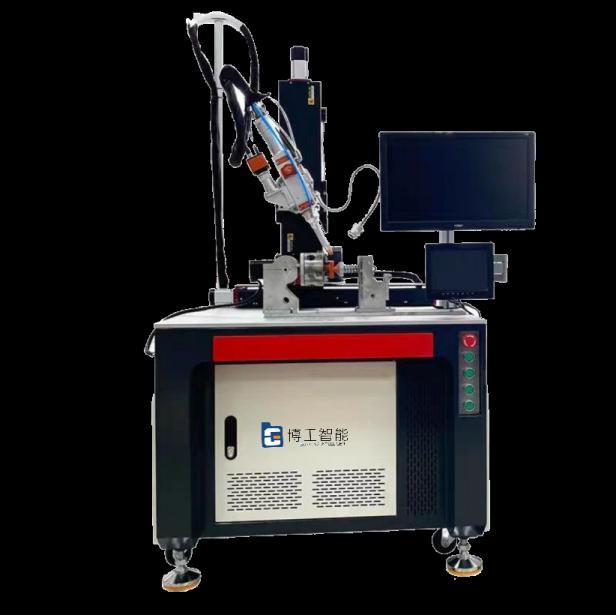
The company’s automatic welding products include a platform system for programmed paths, a gantry arrangement and robotic arm equipment. This gives manufacturers several architectures to investigate for repeated metal assemblies. The right choice depends on where the weld lies and how the part can be presented to the head. A long straight joint, a small planar component and a frame requiring changes of orientation do not necessarily benefit from the same motion system.
Start with access and joint location
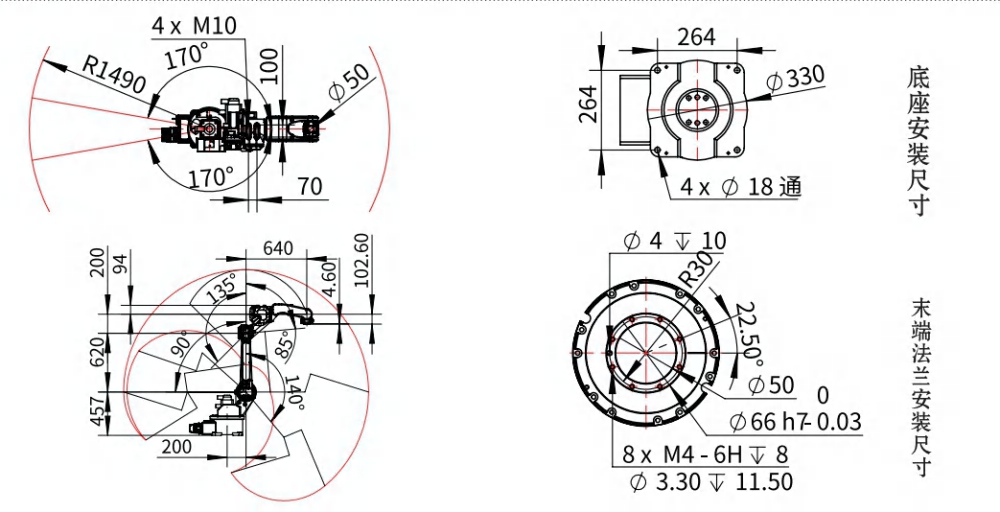
Mark every weld on a drawing and state the required head approach. Check whether clamps, returns or neighboring features obstruct the path. Platform and gantry systems should be reviewed for their available axes and travel; a robot needs a reach and collision study with the intended tool. The trial must include the fixture and any positioner, not only the laser source. Software capability does not by itself guarantee physical access to a joint.
Repeatable fixtures make automation useful
Automatic welding follows a defined relationship between the motion system and the joint. Variations in cutting, folding and assembly can move the weld out of that relationship. Identify datum points, clamping sequence and acceptable gaps before programming. If sensing or seam correction is proposed, agree its actual function and limits. A fixture should hold the part consistently without preventing thermal movement or making unloading difficult. Repeated loading tests help expose problems before a cell is accepted.
Judge the complete cell cycle
Cycle time includes loading, clamping, positioning, welding, cooling where needed, unloading and inspection. A fast programmed path may not improve output if the fixture takes too long to load. Compare the intended staffing and part mix, and ask which cell components are included in supply. Laser enclosure, interlocks, extraction, training and recovery after a stopped cycle should be part of the implementation discussion. Acceptance should cover finished assemblies over repeated cycles rather than motion demonstrations alone.
Applications on the shop floor
Small planar metal components
A platform route can be evaluated where the joint remains accessible in the available travel and fixture envelope.
Repeated long seams
A gantry arrangement may suit the work when part support, travel and fixture stability match the seam geometry.
Assemblies with several weld orientations
A robot and suitable positioning equipment can be reviewed for access, collision risk and loading requirements.
What to check
| Path | Weld locations and head approach |
|---|---|
| Fixture | Datums, gaps and repeated loading |
| Cell | Travel, enclosure and auxiliary equipment |
| Output | Accepted assemblies per complete cycle |
Application questions
Is robotic welding always the best automatic option?
No. A simpler platform or gantry may fit an accessible path. A robot becomes relevant when reach or orientation requirements justify it.
Can automation compensate for inaccurate parts?
It cannot be assumed. Stable upstream dimensions and joint gaps remain important, even when sensing is included.
What should a quotation cover?
Specify the laser, motion system, fixtures, positioners, enclosure, extraction interfaces, software, training and acceptance trial.
What files support application review?
Provide drawings or 3D models with weld locations, material and thickness, batch sizes, joint tolerances and the required inspection criteria.
Product information
- Platform Laser Welding System
- Gantry-Type Fully Automated Laser Welding System
- Robotic Arm Laser Welding Equipment
Send BOGONG a weld map and representative assemblies to compare platform, gantry and robotic motion requirements. Discuss your workpiece
Need a machine recommendation?
Send your workpiece drawings, material type, burr condition and target surface finish. We will suggest the right sanding machine and give you an FOB price range.