At a glance
BOGONG lists WM4A handheld laser welders, BG-F air-cooled units and BG-HW refrigerant-cooled equipment. The appropriate option depends on the material, joint design, operating environment and workload. Buyers should evaluate cooling and auxiliary functions on the exact configuration and validate weld quality using representative joints.
Flexible welding within the company’s equipment range
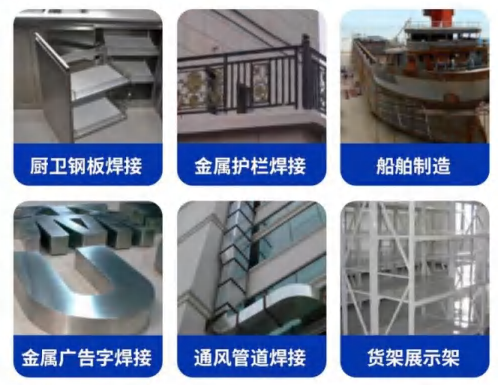
BOGONG’s published handheld welding range addresses metal-fabrication tasks involving cabinets, frames, kitchen equipment and other sheet metal assemblies. Handheld delivery allows an operator to guide the head along an accessible joint, making it relevant to varied part families. That flexibility does not remove the need for a controlled welding procedure. Production suitability depends on joint fit, access, shielding, fixtures and the inspection criteria for the finished assembly.
Cooling is part of the workload decision
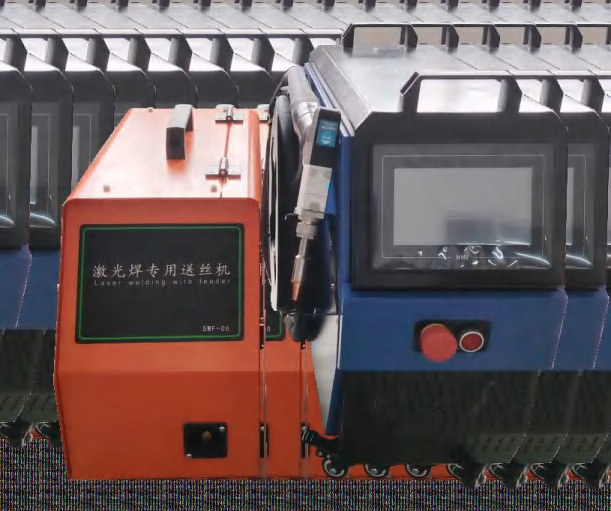
The BG-F and BG-HW pages describe different cooling approaches, while the WM4A range provides another handheld platform for comparison. A buyer should state actual welding time, pause pattern, shop temperature and mobility needs. Ask how the exact unit is rated under those conditions and what maintenance it requires. A compact machine may suit a different workflow from a fixed, frequently used welding station. Cooling labels alone do not establish continuous output or weld capability.
Joint preparation determines what the trial proves
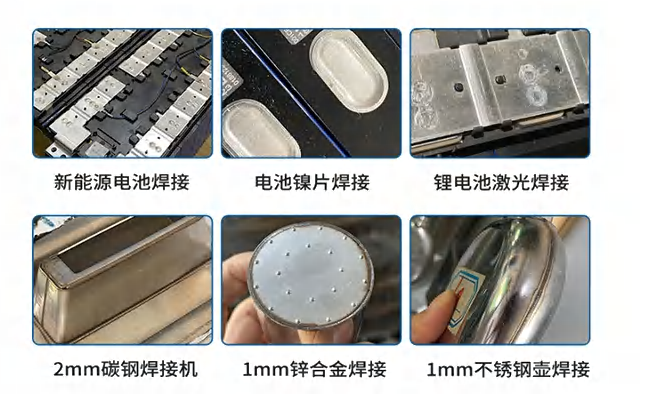
Send butt, lap or corner joints matching the real production design. Record the material grade, thickness, gap and any coating or contamination. Clean and deburr parts before fixturing where the procedure calls for it. If filler wire is required, specify its material and feeding arrangement. For thin housings, include the finished assembly in the trial to assess distortion and fit. An attractive seam photograph should be accompanied by the inspection required for the product’s function.
Define the station as well as the power unit
A usable welding station includes suitable clamping, extraction, controlled access and protection selected for the laser system. An ordinary welding helmet should not be assumed to provide adequate laser protection. Training must cover reflections and exposure as well as torch handling. Procurement should also identify spare protective optics, nozzles, wire-feeding items where fitted and the cooling maintenance requirements. These practical details make the supplied configuration easier to operate consistently after installation.
Applications on the shop floor
Stainless cabinet assemblies
Evaluate accessible corner seams using the actual clamps and joint gaps. Check fit and appearance after the part cools.
Varied frame fabrication
Compare reach and operator access across the main frame sizes, including repositioning and cable management.
Aluminum equipment components
Confirm the alloy, surface preparation and inspection method. Do not infer aluminum results from a carbon-steel demonstration.
What to check
| Joint | Material, thickness, gap and orientation |
|---|---|
| Workload | Welding time, pauses and ambient conditions |
| Station | Fixtures, extraction and laser protection |
| Support | Optics, nozzles and maintenance instructions |
Application questions
Which BOGONG handheld families are available?
The company lists WM4A, BG-F air-cooled and BG-HW refrigerant-cooled products. Review the current product page and quotation for the offered configuration.
Does a higher power rating automatically improve a weld?
No. Joint design, material, settings and fit-up must match. Excessive or poorly controlled heat can create defects.
Can a multifunction unit switch between tasks without setup?
Auxiliary cleaning or cutting functions depend on the model and accessories. Confirm the changeover procedure and requirements for each task.
What establishes that a weld is acceptable?
Use the drawing and product requirements to define visual, dimensional and any required destructive or nondestructive inspection before testing.
Product information
- WM4A Handheld Laser Welder
- BG-F Series Air-Cooled Handheld Laser Welder
- BG-HW Refrigerant Handheld Laser Welding Machine
Provide BOGONG with actual joint samples and a workload description to discuss handheld platform, cooling and station requirements. Discuss your workpiece
Need a machine recommendation?
Send your workpiece drawings, material type, burr condition and target surface finish. We will suggest the right sanding machine and give you an FOB price range.