Wide Belt Metal Sanding Machine for Surface Finishing
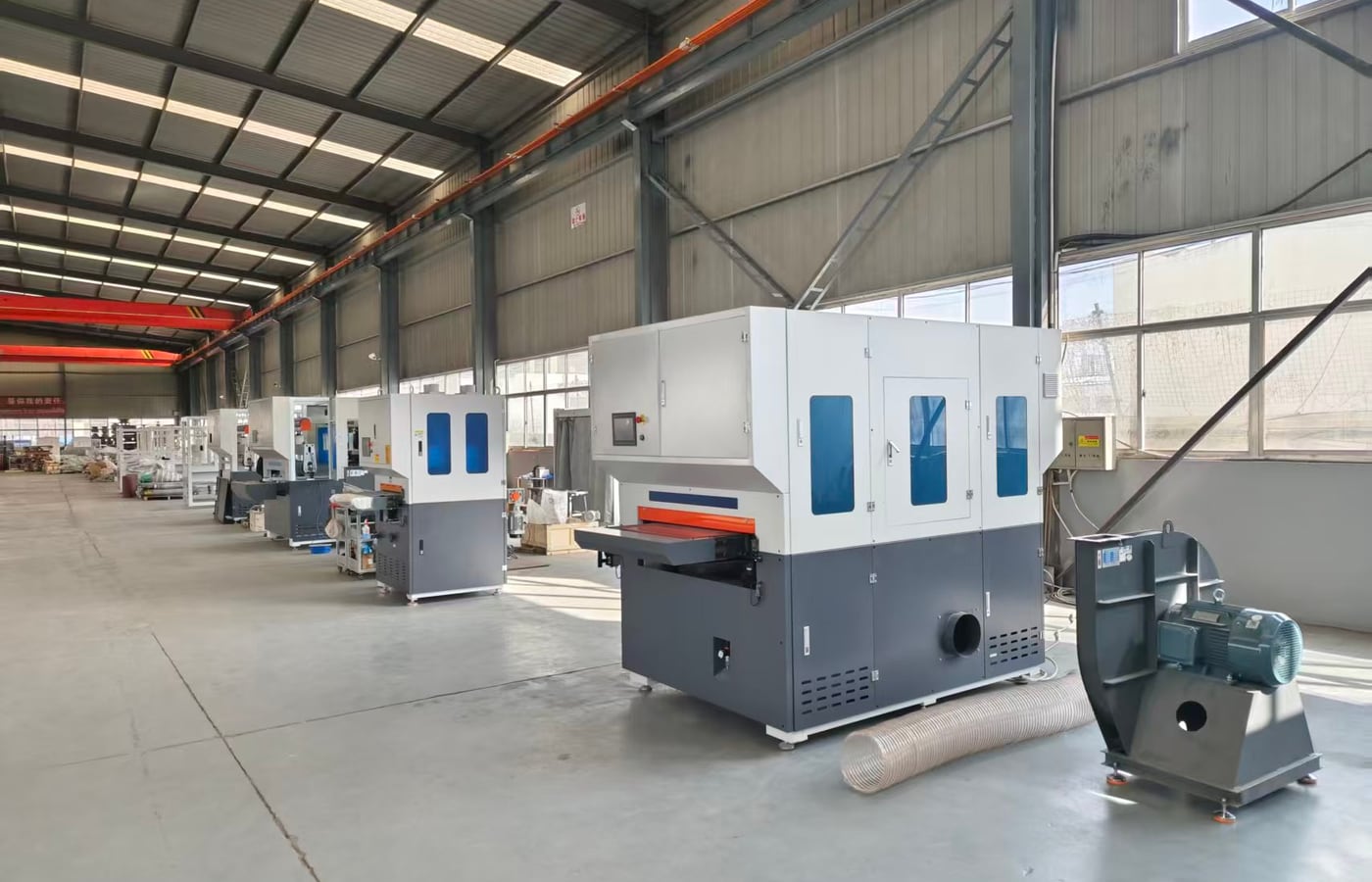
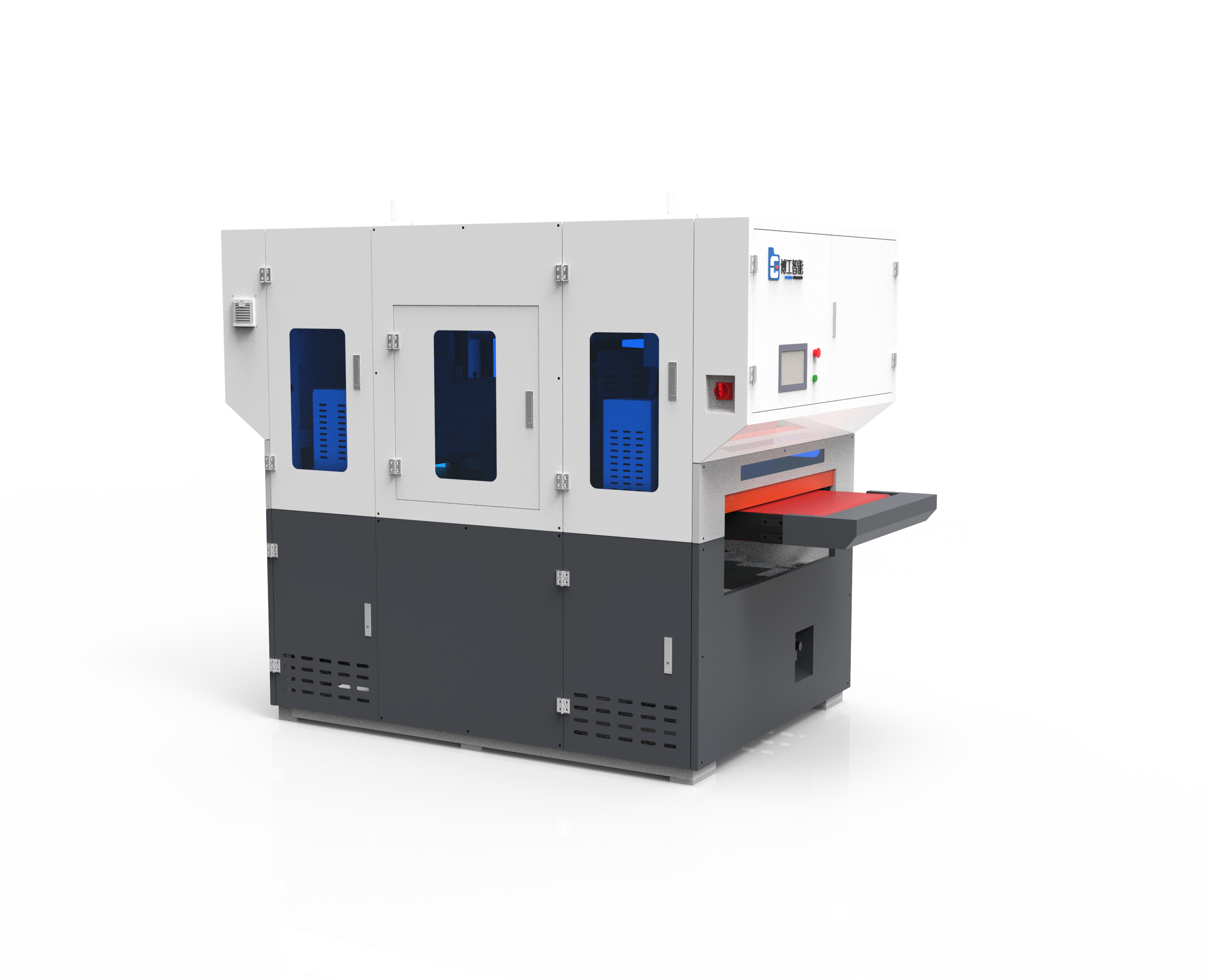
The BOGONG wide belt metal sanding machine is built for surface grinding, oxide layer removal, hairline finishing and flat sheet preparation. It is suitable for stainless steel, carbon steel, aluminum and other metal plates used in fabrication, home appliance, enclosure and decorative panel production.
Application Scenarios
- Removing surface defects from metal sheets
- Creating uniform brushed or satin finish on stainless steel plates
- Preparing parts before coating, laminating or assembly
- Processing panels after laser cutting, welding or leveling
Machine Highlights
- Rigid frame structure for stable belt contact and surface uniformity
- Optional single or multiple sanding heads for different finishing goals
- Variable feeding speed and adjustable sanding pressure
- Available with brush, roller or combined modules
- Can be connected with industrial dust collection equipment
Reference Parameters
| Working width | 800 mm / 1000 mm, customizable |
|---|---|
| Machine type | Wide belt sanding / brush sanding / combined finishing |
| Materials | Stainless steel, carbon steel, aluminum, galvanized sheet |
| Finishing effect | Deburring, oxide removal, hairline, satin surface |
| Feeding | Conveyor feeding with variable speed |
| Options | Vacuum table, wet system, dry dust collector, custom line integration |
Buyer Decision Points
A wide belt metal sanding machine is usually purchased when manual polishing cannot provide stable surface quality or production capacity. Buyers should focus on the target finish, not only machine width. A machine for oxide removal may use a different abrasive plan from a machine for decorative stainless steel hairline finishing.
Configuration Guide
| Oxide layer removal | Use stronger abrasive belt selection and confirm whether the oxide is from laser cutting, plasma cutting or welding. |
|---|---|
| Hairline or satin finish | Select suitable grit, sanding direction and conveyor stability to keep the surface pattern consistent. |
| Surface preparation before coating | Focus on uniform roughness and dust collection rather than decorative appearance. |
| Thin sheets | Confirm holding method, conveyor flatness and pressure control to reduce vibration or deformation. |
| Mixed materials | Separate stainless steel, carbon steel and aluminum production if cross-contamination is a concern. |
Common Industries
- Stainless steel sheet service centers
- Electrical cabinet and enclosure factories
- Home appliance and kitchen equipment manufacturers
- Elevator panel and architectural metal panel production
- Laser cutting and sheet metal subcontracting workshops
Surface Quality Notes
Surface finishing is affected by abrasive grit, belt speed, conveyor speed, pressure, workpiece flatness and dust extraction. When the required finish is visible to end users, sample testing is much more reliable than judging from a parameter table alone.
RFQ Checklist
Please provide sheet material, thickness, maximum width, current surface condition, target finish photos, required roughness if available, production volume, dry or wet operation preference and whether the machine will be connected with upstream or downstream equipment.
Core Selling Points
A BOGONG wide belt metal sanding machine is used for flat sheet surface finishing, oxide removal, brushed finish and coating preparation. It is suitable for stainless steel, carbon steel, aluminum and galvanized sheet. Buyers should select sanding heads, abrasive grit, working width and dust collection according to surface finish and material type.
Buying FAQ
Is this machine only for deburring?
No. It can also be used for surface sanding, oxide removal and decorative surface preparation, depending on the selected abrasive belt and module layout.
Can it make a uniform brushed finish?
Yes. With suitable abrasive belt grit and feed speed, it can produce a consistent linear surface on flat sheets.
Can the machine be customized for production lines?
Yes. BOGONG can adapt feeding height, working width, electrical interface and dust collection layout for line integration.
Can the same machine make both deburring and decorative finish?
Some combined configurations can support both functions, but the best module layout depends on whether the priority is burr removal, edge rounding or visible surface finish.
How do I avoid scratches on stainless steel?
Use suitable abrasive grit, clean conveyor conditions, correct pressure and controlled dust extraction. For decorative surfaces, sample testing is recommended.