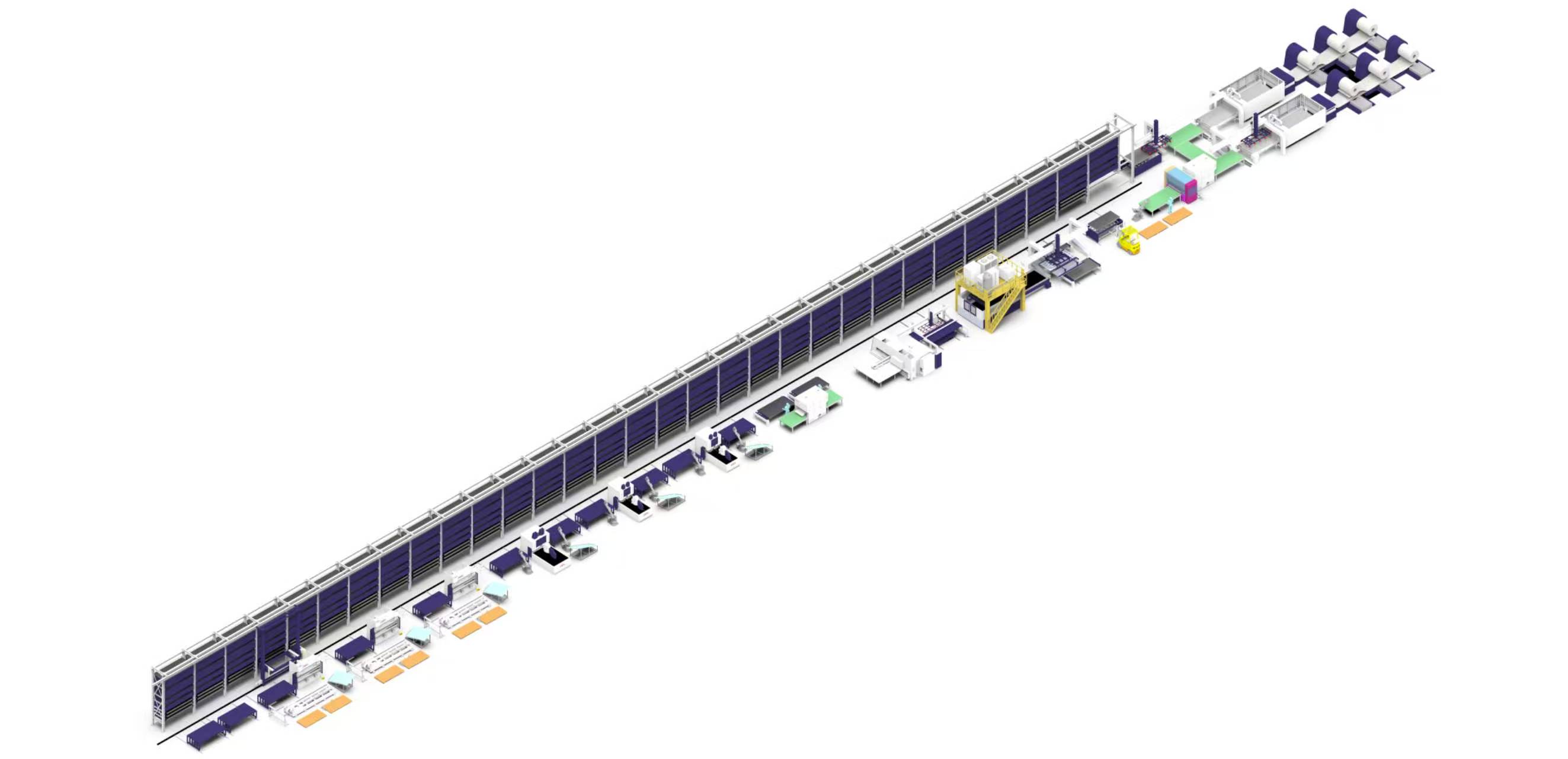
Hydraulic Uncoiling and Leveling Line
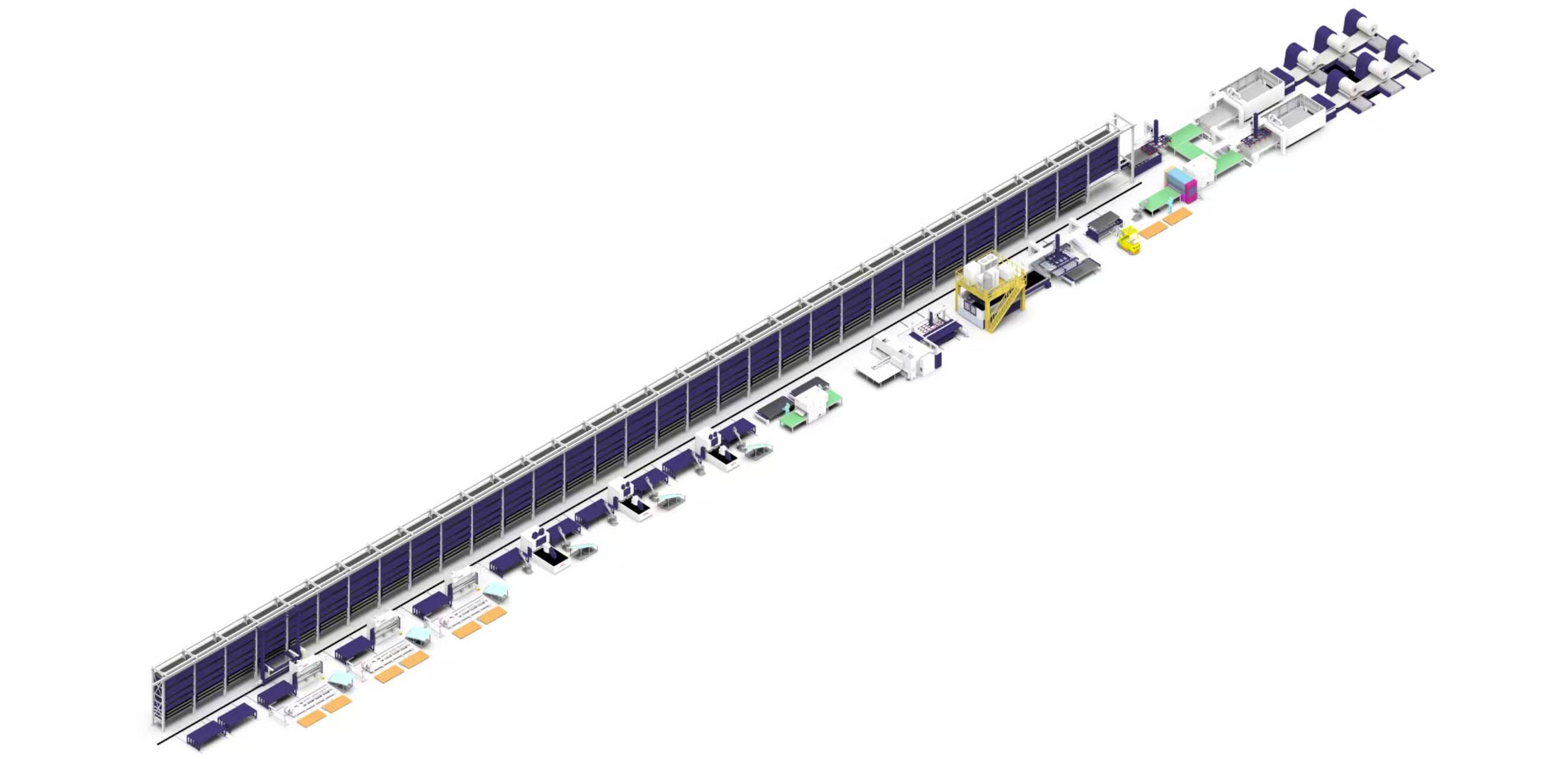
The BOGONG hydraulic uncoiling and leveling line is used for feeding coil material into sheet metal production, stamping lines, laser cutting lines and roll forming processes. The system can include hydraulic uncoiler, coil car, leveler, feeder and control system according to production requirements.
Applications
- Galvanized sheet, stainless steel, carbon steel and cold-rolled coil processing
- Coil feeding before cutting, punching, leveling or forming
- Sheet metal workshops that need stable flatness and automated feeding
- Production lines for cabinets, appliances, HVAC and metal panels
Key Features
- Hydraulic expansion structure for coil loading
- 5T, 10T and 15T uncoiler options
- Frame-type and side-panel leveler options
- Four-stage leveling structure with 42CrMoA roller material on selected models
- Variable frequency speed control and customized line layout
Reference Parameters
| Coil weight | 5T / 10T / 15T options |
|---|---|
| Coil outer diameter | Up to approx. 1500 mm on standard models |
| Coil inner diameter | 580 mm or 610 mm |
| Material thickness | 0.8-3 mm for uncoiler feeding; leveler options up to 16-20 mm depending on model |
| Material width | 400-1500 mm / 400-1600 mm options |
| Transmission | Gear universal joint or dual gearbox on selected levelers |
What a Buyer Should Confirm Before Selection
A coil line should be selected from the downstream process backwards. A line feeding laser cutting, stamping, roll forming or blanking may require different speed, leveling accuracy, loop control and feeder design. Coil weight alone is not enough for configuration.
Line Configuration Guide
| Hydraulic uncoiler | Used to hold and expand the coil. Capacity is selected by coil weight, width, inner diameter and outer diameter. |
|---|---|
| Coil car | Recommended for heavier coils to improve loading safety and reduce crane dependency. |
| Leveler | Selected by material thickness, yield strength, width and flatness requirement. |
| Feeder | Selected by downstream process speed and feeding accuracy. |
| Control system | Coordinates uncoiling, loop control, leveling and feeding for stable production. |
Downstream Process Matching
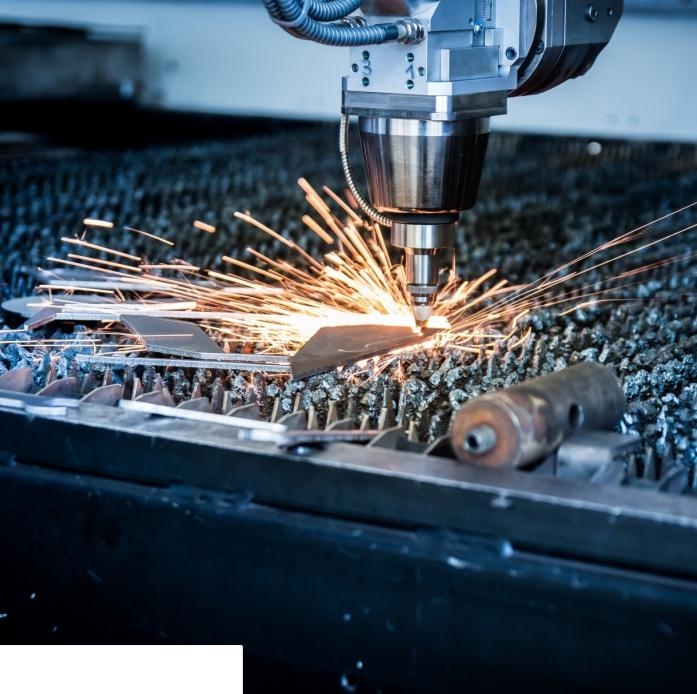
- Laser cutting: focus on flatness, sheet length control and stable feeding.
- Stamping: focus on feeding accuracy, synchronization and coil change efficiency.
- Roll forming: focus on continuous feeding speed and loop stability.
- Sheet blanking: focus on leveling result and cutting length accuracy.
Common Selection Mistakes
- Choosing only by coil weight and ignoring material yield strength
- Using a light leveler for thick or high-strength material
- Ignoring coil loading space and workshop crane path
- Not planning electrical and safety interface with downstream machines
RFQ Checklist
Please send coil weight, coil outer diameter, coil inner diameter, material width, thickness range, material grade or yield strength, required flatness, downstream equipment type, line speed, feeding accuracy and factory layout. If the line must connect to an existing machine, include its feeding height and control interface.
Core Selling Points
A BOGONG hydraulic uncoiling and leveling line unwinds coil material, levels the strip or sheet and feeds it to cutting, stamping, roll forming or sheet metal production equipment. Configuration depends on coil weight, coil width, thickness, material strength, flatness target and downstream process.
Buying FAQ
How do I choose 5T, 10T or 15T?
Choose according to maximum coil weight and production continuity. Heavier coils reduce loading frequency but require stronger foundation and handling equipment.
Can it feed a laser cutting line?
Yes. The line can be configured for coil-to-sheet preparation or continuous feeding before cutting, depending on the automation plan.
Can the leveler handle thick material?
Frame-type levelers can be selected for thicker coils. Final selection depends on material strength, thickness, width and flatness target.
Why is material strength important?
Two coils with the same thickness can require different leveling force if their yield strength is different. This affects roller diameter, frame strength and drive selection.
Can the line be customized for existing equipment?
Yes. Feeding height, line direction, control interface and space layout can be designed around existing machines.